
Padel is regularly described as one of the fastest-growing sports, but what makes people want to play it? The short answer is a combination of social connection, an approachable first experience and lively rallies shaped by the enclosed court and its walls. Those qualities help explain the sport’s appeal, while new clubs and investment interest suggest that the game is attracting attention beyond individual players. Growth is not uniform, however. If you are considering a first session, comparing local venues or evaluating a facility project, the useful questions are practical: what will the experience include, what will it cost, and what should you check before committing?
Why is padel growing so fast?
Padel’s rise is commonly explained by a mix of social appeal, accessibility and an exciting style of play. The Lawn Tennis Association’s padel resource highlights the sport’s fast-paced, accessible and social qualities. Other supplied coverage points to the enclosed court, wall play and rallies that can reward quick reactions and shot placement.
Those are useful explanations of appeal, not proof that one feature alone causes growth. The sources provided do not supply a consistent, dated participation series across countries. Treat “fastest-growing” as a widely used description, not a guarantee that every local market is expanding at the same rate.
For a potential player, the practical point is that you can investigate the experience directly. For a club or facility decision-maker, interest is only one part of the case: access, operating arrangements and local demand still need to be assessed.
What makes the padel experience appealing?
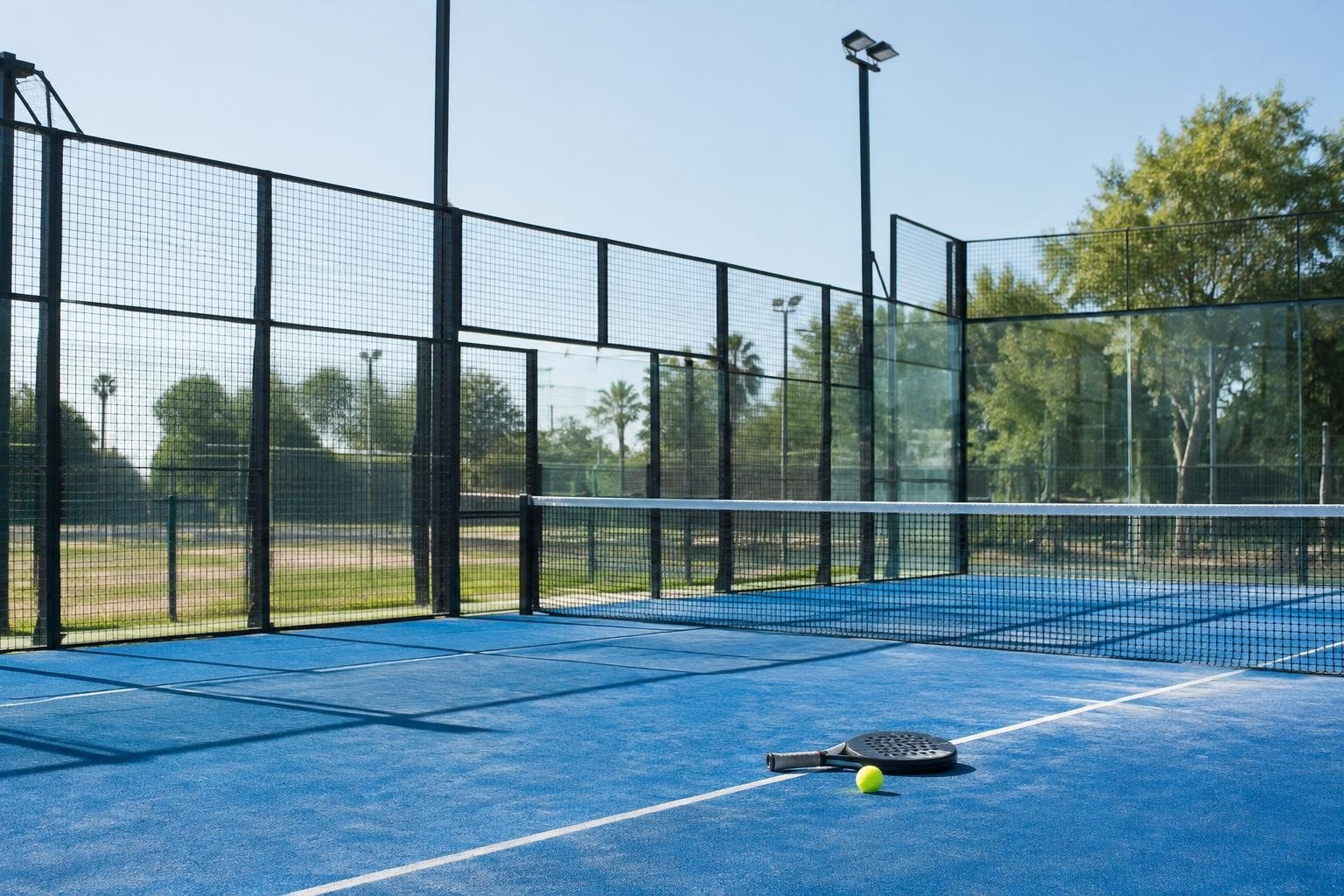
Padel combines familiar racquet-sport action with an enclosed court where the walls affect how rallies develop. The walls make the playing experience distinctive, and coverage of the sport emphasizes the creativity, reactions and shot choices they can encourage.
Its social quality is another recurring explanation for its appeal. That matters to a newcomer because a sport can feel less daunting when the experience is shared with other people. Padel is also described as accessible for first-timers while offering room to develop further. Accessible should not be confused with effortless: fast play can still demand movement, coordination and tactical decisions.
These characteristics help explain why a person might try the sport. They do not establish that all venues offer the same atmosphere, instruction or level of accessibility. Ask a local provider what a first visit involves instead of relying on a general description.
What does trying padel include, and how does the process work?
For a player, trying padel usually means arranging access to a court and finding out what equipment and support the venue provides. There is no single service package established by the sources: one provider may offer a simple court booking, while another may describe introductory instruction or equipment options. Confirm the details directly.
- Check which venues you can reach and whether they accept the type of booking you want.
- Ask what the session includes, what you must bring and whether instruction or equipment is available.
- Confirm the price, session length, cancellation policy and any conditions before paying.
- After your first visit, decide whether you want another session before buying equipment or committing to a membership.
This staged approach lets you assess the experience before making a larger commitment. It also avoids assuming that a provider’s use of words such as “beginner-friendly” means the same thing everywhere.
Signs padel may be worth trying
You may want to explore padel if you are looking for a social racquet-sport activity, are curious about the court and wall-based style, or want to see whether its quick rallies suit you. These are reasons to try a session, not a test of whether you are already fit or skilled enough.
Before booking, consider what would make a first visit comfortable: an introductory session, a clear explanation of what to bring, or help finding other participants. If a venue cannot explain its format or answer basic questions, compare another option. That is a consumer decision, not evidence that padel itself is unsuitable.
Padel is sometimes promoted as accessible, but one general claim cannot predict an individual’s experience. If you have a specific health or mobility concern, ask the provider about the activity and seek appropriate professional advice where needed.
Cost and pricing: what should you compare?
There is no supported universal price for playing padel. The sources provided do not give comparable local rates, so a number would be misleading without a country, date and like-for-like service. Request a total price from the venue before booking.
Compare the same elements in each quote or listing:
- What the price covers, including court access and any equipment or instruction.
- Session length and any limits on the booking.
- Whether extra charges apply and when payment is due.
- Cancellation, rescheduling and refund terms.
- Any recurring commitment, such as membership, rather than only the first visit.
For a facility project, do not use consumer court-booking prices to estimate construction or operating costs. Ask for a site-specific, itemized proposal and compare what each provider includes. A supplier’s broad claim that padel courts can be quicker or cheaper to build than tennis courts is not a substitute for a project quote or independent assessment.
What factors affect local access and facility demand?
Access to a sport depends on more than headline interest. The local questions are whether courts are available to you, whether the venue’s booking model suits you and whether the offering matches your purpose. For a club or investor, a projected demand case also needs local evidence rather than a broad claim about worldwide growth.
When comparing player options, look at practical fit: location, available times, session type, introductory support and the provider’s stated terms. For a proposed court development, ask professionals to assess the site and project requirements. The sources identify interest in padel infrastructure, tournaments, professional leagues and sponsorship, but do not establish the commercial return of a particular investment.
Local demand, construction scope and operating arrangements may differ. Treat claims about a booming opportunity as a reason to investigate, not as proof that a project will attract enough players or produce a return.
Padel and other racquet sports: how to compare options
Compare the actual experience you want rather than searching for a universal winner. Padel’s enclosed court and use of walls distinguish its rally dynamics; the supplied sources also emphasize social play and an accessible first experience. They do not provide a complete, evidence-based comparison of padel with tennis, pickleball or other racquet sports.
| What to compare | Questions to ask |
|---|---|
| Playing experience | Do you want to try a game whose rallies use an enclosed court and walls? |
| Social fit | What session format does the venue offer, and can it help you find a suitable group? |
| Getting started | Is introductory guidance available, and what should a beginner bring? |
| Commitment | Can you book a single session before choosing a membership or buying equipment? |
| Facility project | Are you comparing a padel proposal with other uses of a site? Request equivalent, itemized assessments. |
Try the options available to you and assess enjoyment, convenience and cost. A sport’s popularity alone cannot tell you which activity or investment is right for your circumstances.
What to expect, including timing
Expect the exact first-visit process and timing to depend on the venue. Check availability and session details with the provider, especially if you need a particular time or want instruction.
Before attending, confirm where to arrive, what is included and whether you need to bring anything. Ask how the introductory session is organized and whether the provider can accommodate your experience level. After playing, give yourself time to decide whether the pace and social setting suit you; there is no evidence-based universal number of sessions after which someone should become proficient.
For a new facility or court project, timing is even more site-specific. Ask providers to separate assessment, approvals, construction and opening assumptions in a project schedule, and confirm those assumptions with the relevant professionals and authorities.
How to choose a qualified venue, coach or facility provider
Choose a venue or coach by checking whether the service is clear, suitable and verifiable.
- Ask what the session or coaching service includes and who it is designed for.
- Request the provider’s relevant qualifications or experience and check them with the issuing organization when applicable.
- Confirm the booking terms, total charge, equipment arrangements and cancellation policy in writing.
- For a facility project, request comparable written proposals with scope, exclusions, schedule assumptions and maintenance responsibilities.
- Look for specific answers to questions about safety, site suitability and how concerns are handled.
Specialist guidance and quality products are promoted as part of the growing padel market, but marketing claims do not verify a particular seller, coach or facility. Make the decision using details you can confirm.
Permits, credentials, warranties and safety checks
Rules for planning, construction, operating permits and professional credentials depend on the project and location. The supplied sources do not set out local requirements, so do not rely on a general article to decide whether a site is approved or a provider is qualified.
For a player, ask the venue about its safety information, court access arrangements and what to do if you have a concern. For an owner or investor, contact the relevant local authorities and qualified professionals before committing to a site or construction contract. Confirm responsibilities for inspection, maintenance and warranties in the written agreement.
Ask exactly what a warranty covers, how long it applies, what is excluded and who is responsible for a claim. These are due-diligence questions, not assumptions that a particular warranty, permit or credential is legally required everywhere.
Ways to reduce costs without taking unsafe shortcuts
Save safely by delaying purchases and commitments until you know what you will use. For an introductory visit, ask whether equipment is available before buying your own. Compare the total cost of equivalent sessions, including any extras, and read the cancellation terms before paying.
If you are considering a club membership, first check whether its access and booking conditions match how often you expect to play. For a facility project, seek more than one comparable proposal and review scope, exclusions and maintenance obligations. Do not cut essential safety, site assessment or professional review to reduce the initial price.
Padel providers and equipment sellers may make quality or accessibility claims. Ask for the information behind claims that matter to your decision, and avoid treating a low headline price as the lowest total cost.
Mistakes, red flags and a practical checklist
Common decision errors include assuming that global enthusiasm proves local availability, buying equipment before checking what a first session requires, and accepting a headline price without understanding what it covers. Facility decision-makers should avoid treating a general growth story as a forecast of local demand or project returns.
Use this short checklist before you book or invest:
- Have I confirmed the venue, date, session format and total price?
- Do I know what equipment or instruction is included?
- Have I read the cancellation and recurring-payment terms?
- Can the provider clearly answer questions about qualifications, safety or project responsibilities?
- For a facility, have I checked site requirements, approvals, schedule assumptions and warranty terms with qualified local sources?
- Am I relying on local evidence rather than a broad claim that padel is growing everywhere?
Be cautious of pressure to commit immediately, vague project scopes, unsupported promises of returns, or unclear answers about who is responsible when something goes wrong. Compare alternatives and get important terms in writing.
What growth means for players, clubs and investors
Padel’s momentum has encouraged interest in courts, clubs and related services. Industry coverage points to tournaments, professional leagues and sponsorship as part of the infrastructure conversation. That supports the observation that commercial attention exists, but it does not independently verify future growth or the financial prospects of a particular operator.
For consumers, growth can be useful if it leads to more options, but the relevant question remains whether a suitable venue is available to you. For clubs and investors, the next step is a local feasibility assessment, not an assumption based on broad enthusiasm. Check access, costs, approvals and operating responsibilities using current local information.
Growth narratives are a starting point for better questions. They are not a substitute for direct experience, transparent pricing or careful due diligence.
Frequently asked questions
Is padel really one of the fastest-growing sports?
Padel is often described as one of the world’s fastest-growing sports, but the sources available do not provide a consistent, dated participation measure for every country. Growth can differ substantially by market, so check current local court and club availability rather than assuming it is expanding at the same pace everywhere.
Why are people attracted to padel?
The cited sources point to its social nature, accessible first experience, fast-paced rallies and distinctive use of court walls. These features offer a plausible explanation for its appeal, but they do not establish that any one factor caused growth in every region.
Does a padel session include equipment and coaching?
No. Padel providers and facility projects differ, and the sources here do not establish a standard package or price. Ask what is included, what costs extra, what the booking terms are and whether equipment or coaching is available before you commit.
How much does it cost to play padel?
Compare the complete price for the session or membership, not just the headline court rate. Ask about duration, player limits, equipment, coaching, cancellation terms and any additional charges. Prices depend on location and provider; no universal figure is supported here.
What should a club check before building padel courts?
A court project may involve site, construction and operating considerations that vary by location. Before proceeding, ask the relevant local authority and a qualified facility professional about planning approval, building requirements, safety and maintenance. Do not treat a general online growth article as a permit guide.
Is padel easy for beginners to learn?
The available sources describe padel as social and accessible, but do not establish a standard time to become proficient. Your progress depends on your starting point, practice and coaching. Try an introductory session before investing heavily in equipment or a long commitment.
People Also Ask
What makes padel different from other racquet sports?
Padel’s combination of social play, an accessible first experience and energetic rallies is often cited as part of its appeal. Its enclosed court and use of walls give rallies a distinctive character.
Is padel growing everywhere?
No. The available sources describe growing interest and new clubs, but do not show that access or growth is equal in every place. Check current court availability and booking options in your area.
What should I do before buying a padel racket?
Try a session before buying specialist equipment. Ask the venue what is provided and what you need to bring, then decide whether you want to continue before making a larger purchase.
What should I ask before booking a padel court?
Ask about the complete session price, duration, included equipment, player arrangements, coaching availability and cancellation terms. Compare equivalent offerings at more than one venue where possible.
Do padel courts need planning permission?
Ask a qualified local professional and the relevant authority about site approval, construction requirements, safety and maintenance. Requirements depend on the location and project.
Is padel suitable for someone new to sport?
Padel is described as accessible, but that does not mean it is effortless or low-intensity. Choose an introductory session that suits your comfort and fitness, and ask the provider about the session format before booking.
Padel’s appeal is easier to understand when you look beyond the growth headlines: it combines social play, an accessible first experience, lively rallies and a distinctive court environment. Those qualities help explain its momentum, but they do not guarantee that a club, court project or local market will succeed. If you are curious, try a session and assess the venue, coaching, total cost and booking options for yourself. If you are researching a facility or provider, compare the practical details rather than relying on claims that padel is booming everywhere.
Your next step
Explore padel apparel and the Major League Padel community.
Last reviewed and updated October 8, 2026 by the Major League Padel Editorial Team.
Sources
- Why is padel popular in Britain? | The fastest-growing sport
- Padel Tennis: The Fastest-Growing Sport Explained
- Padel – The fastest growing sport in the world! – All Things Tennis ltd
- Why Padel Is the Fastest Growing Sport in the World
- 10 Reasons Why Padel is the Fastest Growing Sport in the World
- Padel: Why you should try one of the world's fastest-growing sports in 2026 – Yahoo Sports
- Why Padel Is the Fastest-Growing Sport | The Padel Retreat
- Padel Fastest Growing Sport In The World