
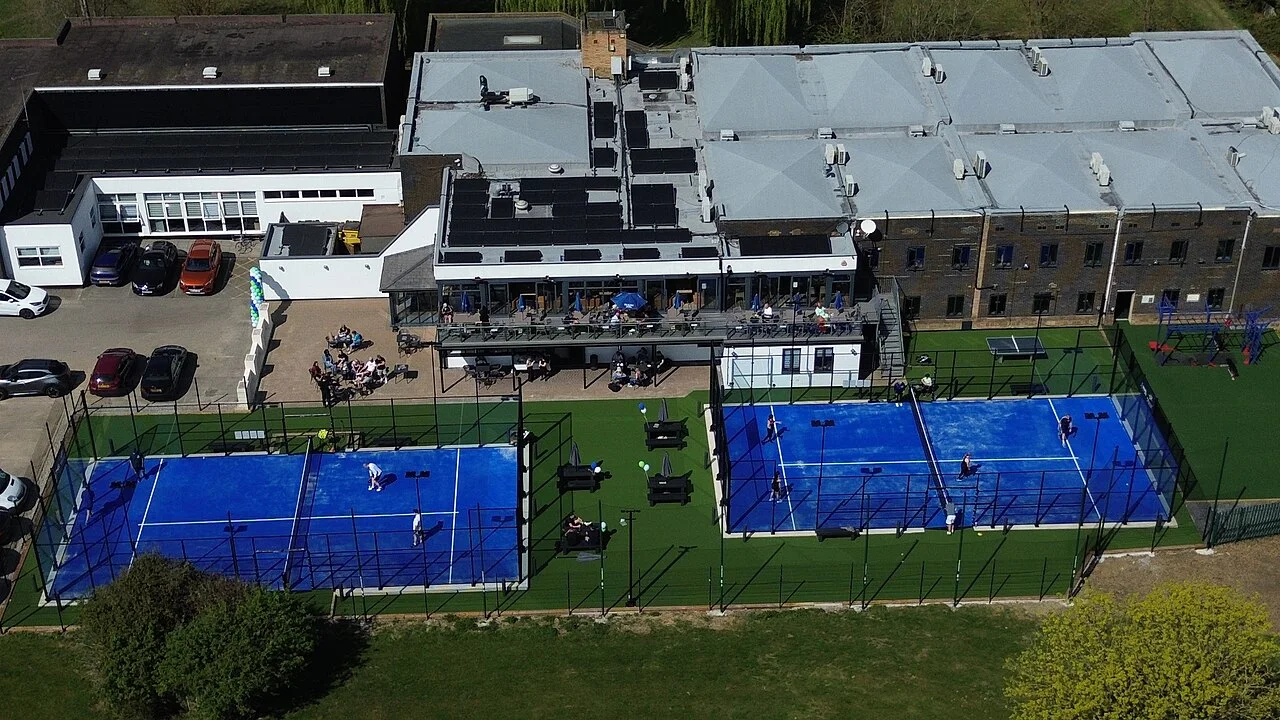
Padel can make exercise feel more like a game than a workout. A rally asks you to move, react and use a racket, while doubles play also gives you a partner to communicate with. Those features help explain why people explore padel for fitness, enjoyment and social connection. But a positive experience is not the same as a guaranteed health result: how demanding a session feels varies with the pace, duration and your starting point. This guide explains the potential benefits, what a first session involves, how to ease in safely and what to compare before you book.
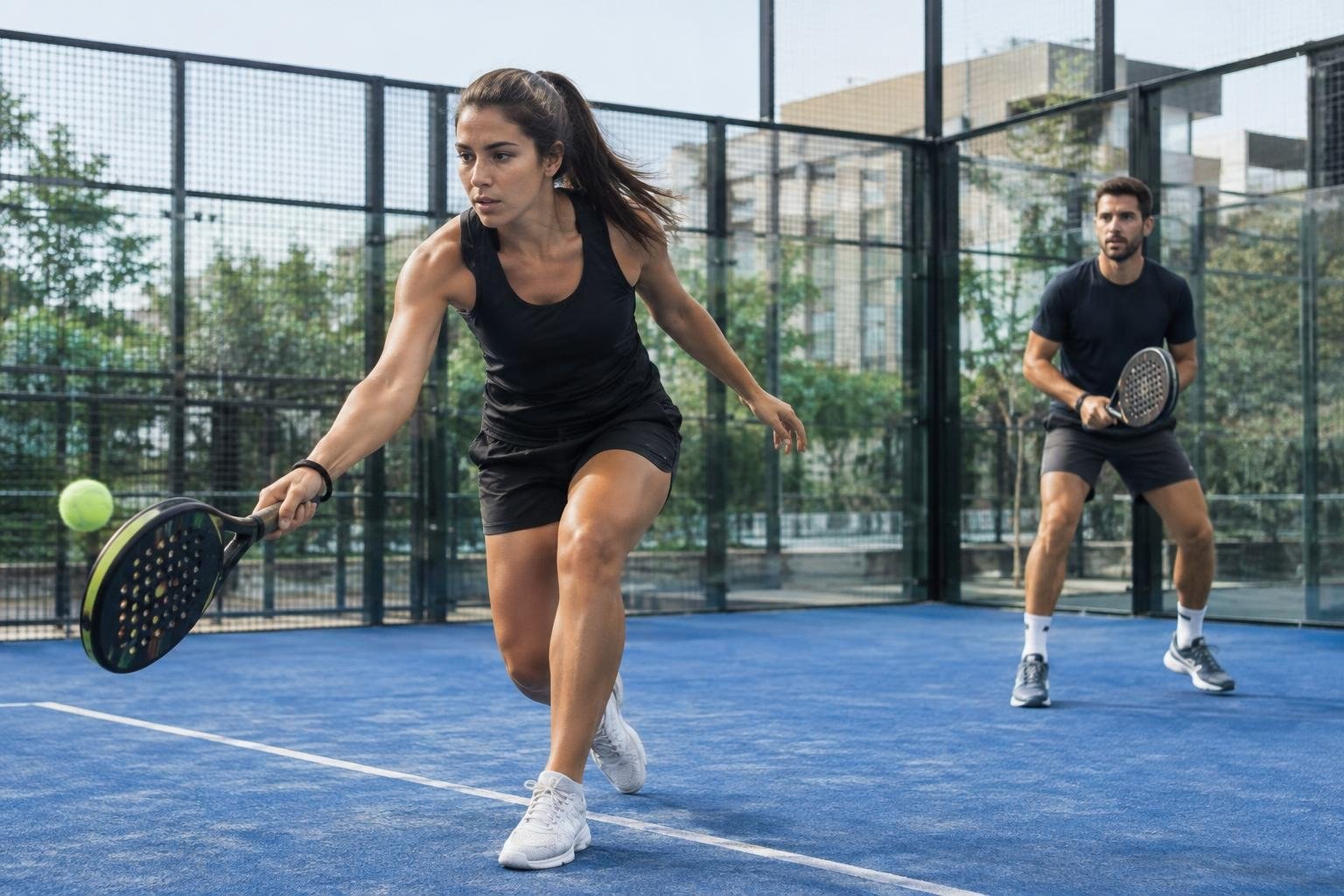
What are the health and fitness benefits of playing padel?
Padel is a racket sport commonly played in doubles on a court enclosed by glass and mesh walls. Players rally across a net and can use the walls as part of play. The format means a session can mix short movements, changes of direction, racket swings and pauses between points. How much continuous activity you get depends on rally length, playing pace, time spent resting and your role in the game.
Think of padel as an engaging way to be active, not a prescription or a shortcut to a particular health outcome. Reporting on padel has discussed possible improvements in general fitness markers such as sprint speed, grip strength and spinal stability, but that does not mean every player will improve in the same way. Club and sport organization articles also describe possible wellbeing and social benefits. Those are useful reasons to consider trying the sport, but they are not guarantees.
- Movement: You may move forward, sideways and back as the ball changes direction.
- Racket skills: You practise tracking a moving ball and controlling a racket.
- Decision-making: Rallies ask you to react and choose where to position yourself.
- Partner play: Doubles can include communication and shared problem-solving.
The practical takeaway is to choose a pace and format that you can enjoy consistently. A comfortable first experience is more useful than trying to turn every session into a test of fitness.
What does a padel session include, and how does it work?
A padel session is not a standardized workout. It usually involves playing points, taking brief pauses and changing roles between serving and receiving. Depending on the facility and your experience, you might arrange a casual game, a coached introduction or another beginner-friendly format. Confirm the details before booking rather than assuming equipment, instruction or court time are included.
For a first visit, check these practical points:
- How long is the court booking, and does it include time to arrive and get ready?
- Is the session coached, organized as a social game or simply a court rental?
- Can you rent or borrow a racket, and are balls supplied?
- What footwear and clothing does the venue recommend?
- Does the venue have an option suited to beginners?
Start with a format that lets you learn the basic movement and rules without feeling rushed. If you have not played a racket sport before, ask the organizer to explain the scoring, serve and use of the walls before the game begins. A short orientation can make the activity easier to follow and help you focus on playing at a comfortable pace.
Session length and physical demand are not the same thing. A longer booking with frequent breaks may feel less demanding than a shorter, intense game. Pay attention to how you feel during and after play, and adjust the pace or duration next time rather than relying on someone else’s idea of a standard workout.
How do you know if padel might suit you?
Padel may be worth exploring if you want a sport-based way to add movement to your routine, prefer an activity with a partner, or are curious about learning racket skills. The deciding factor is not whether you match an ideal player profile. It is whether the format, pace and access to support fit your interests and circumstances.
Before choosing a session, ask yourself:
- Would I enjoy learning a game while being active, rather than following a solo exercise routine?
- Can I find a beginner-friendly session or a partner at a similar level?
- Can I reach the facility and fit its booking times into my schedule?
- Do I have any health or mobility concerns that I should discuss with a healthcare professional first?
If you are returning to activity after a break, feel uncertain about your ability to exercise, or have a relevant health condition, seek advice from a qualified health professional before starting. That person can consider your circumstances in a way a general guide cannot. You can also ask the facility whether it can adapt the session, but a venue’s convenience or beginner label is not a substitute for individual medical advice.
Enjoyment matters because it can make it easier to choose an activity again. Articles from padel clubs and a sports organization describe social connection and mood as potential benefits. Treat these as possible experiences, not promises: people differ in what they enjoy and how they respond.
What affects the cost of playing padel?
There is no reliable universal price for playing padel without knowing where you are, what type of session you want and what the venue charges. Court bookings, coached sessions, equipment rental and membership can be separate choices. Compare the total cost for the activity you actually plan to do instead of comparing a headline booking fee with a different service.
Ask each facility what its quoted price covers, whether the cost is shared among players, how payment works if someone cancels, and whether you need to bring or rent equipment. If you are considering regular play, compare the cost and terms of individual bookings with any membership or package option, but do not assume a package saves money unless you expect to use it.
Other practical factors may affect what you spend: how often you intend to play, whether you need instruction, and whether you already have suitable equipment. Prices and policies vary by location and date, so check current details directly with the provider before committing. Do not purchase a racket or commit to a longer package just to find out whether you like the sport.
For a first session, ask for an itemized explanation of the options. That makes it easier to compare like with like and identify extra charges before you book.
Which activity or padel format should you compare?
Padel and other exercise options can support different preferences; neither is a universal winner. Padel includes a racket and a game structure, while other activities may be individual, instructor-led or built around equipment you already have. Choose by comparing enjoyment, practical access and the level of exertion that feels appropriate for you.
| Option | What to consider | Useful question |
|---|---|---|
| Casual padel game | Social play and learning through rallies | Can I join at my level, and is equipment available? |
| Coached introduction | Guided instruction and time to practise basics | What does the session cover, and who is it designed for? |
| Solo exercise | More control over the activity and schedule | Do I prefer independent movement or playing a game? |
| Another racket sport | Different equipment, venue access and playing style | Which sport is convenient and enjoyable for me? |
For some people, the main advantage of padel is that movement is part of trying to keep a rally going. For others, racket-sport learning or coordinating with a partner may be a barrier. If you are uncertain, compare introductory sessions rather than making a long-term commitment based on the sport’s reputation.
The most useful comparison is the activity you can access, enjoy and approach safely.
What should you expect, and how long does it take?
Plan for a first session that includes time to arrive, get oriented and ask questions, not only the period when you are on court. The exact booking length and session structure depend on the venue. Ask whether an introductory lesson, social game or court rental is being offered and what happens if a player needs to pause.
Your first few outings may feel more like learning than training. You may spend attention on holding the racket, tracking the ball, understanding the walls and coordinating with your partner. Give yourself permission to take breaks and keep the pace manageable. If the session feels too demanding, stop and tell the organizer rather than trying to push through symptoms that concern you.
There is no set number of sessions after which someone should expect a particular fitness result. Adaptation and comfort depend on a person’s starting point, attendance, pace and other factors. A more useful early measure is whether you can follow the game more comfortably, enjoy the experience and recover as expected for you. If you have persistent or concerning symptoms, seek appropriate professional advice.
How do you choose a qualified provider or venue?
Choose a venue or instructor based on clear information and a session that fits your experience, not on broad promises about health outcomes. Ask who will lead a coached session, what the session includes, how beginners are supported and what happens if you need to adjust or stop. If you are booking only a court, ask what instruction, if any, is provided; do not assume court rental includes a lesson.
- Look for a clear description of the activity, level and session format.
- Ask what experience or relevant qualifications the instructor holds and how to verify them.
- Check whether equipment is included, available to rent or your responsibility.
- Confirm the total price, cancellation terms and any membership requirement before paying.
- Ask how the venue handles questions about safe participation and accessibility.
Do not treat a title, advertisement or health claim as proof of a person’s expertise. If the provider cannot explain what it offers or makes unrealistic promises about results, compare other options before committing.
What safety, credentials or local rules should you check?
Padel is physical activity, so it is sensible to consider how you feel, the demands of the session and the facility’s practical safety guidance. A source describes padel as potentially gentler on joints than some more intense sports, but that broad description should not be read as proof that padel is low risk for every player. Your health, movement experience and pace matter.
Before playing, choose comfortable clothing and footwear appropriate for the venue, ask about court rules and take time to get oriented. Begin gradually, take breaks as needed and stop if you feel unwell or experience concerning pain. If you have a medical condition, are recovering from injury or are unsure whether exercise is appropriate for you, ask a qualified health professional for individualized advice.
Ask the facility about its own participation guidance, emergency procedures and relevant local requirements. Do not infer that a venue’s permit or instructor credential guarantees a particular health outcome.
How can you save money without compromising safety?
You can keep the first try low-commitment without cutting corners. Ask whether you can rent a racket, join a beginner session or share a booking with other players before buying equipment or purchasing a package. Compare the full cost and conditions, not just a discounted headline price. If equipment is included, confirm what it is and whether you need to bring anything else.
Save safely by matching the session to your current needs. A casual introductory game may be a better first step than paying for repeated coaching if you have not yet decided whether you enjoy the sport. On the other hand, a coached introduction may be worthwhile if you want basic guidance before joining a game. Ask what is included and decide based on your goals rather than a sales claim.
Do not economize by ignoring health concerns, using unsuitable footwear against venue guidance or playing through symptoms that worry you. If you need medical advice, seek it from an appropriate health professional rather than relying on a facility’s promotional material.
Mistakes, red flags and a before-you-book checklist
Common avoidable problems include booking the wrong type of session, assuming equipment or coaching is included, and treating a general statement about fitness as a promised personal result. You can reduce confusion with a short check before paying:
- Confirm whether you are booking court time, coaching or an organized game.
- Ask what the price includes and whether equipment is available.
- Check the session level, duration, cancellation policy and any additional charges.
- Tell the organizer if you are new and ask what to expect.
- Consider your health and seek professional advice if you are unsure about exercising.
- Start at a manageable pace, take breaks and stop if you feel unwell.
- Review how you felt afterward before increasing the pace or committing to a package.
Be wary of claims that promise guaranteed weight loss, injury prevention or a specific fitness change for every player. The available sources discuss possible benefits, not certain outcomes. A trustworthy provider should explain the session clearly and let you make an informed choice without pressuring you.
Frequently asked questions
What fitness benefits might playing padel offer?
Padel involves repeated movement around a court, racket swings and periods of recovery between points. The amount of exercise varies with the pace, length and frequency of play, and with each player’s fitness and experience. Research coverage has discussed possible improvements in general fitness markers, but playing padel does not guarantee a particular result.
Is padel a low-impact sport?
Padel may feel gentler than some higher-impact activities for some people, but it still involves movement and exertion. It is not automatically low risk or suitable for everyone. Start at an appropriate pace, use suitable footwear, and ask a health professional for guidance if you have a medical condition, pain or concerns about exercise.
How long does it take to get fitter by playing padel?
There is no single timeline. How quickly you feel comfortable depends on your starting fitness, racket-sport experience, how often you play and whether you take lessons. Build up gradually rather than expecting a set result after a particular number of sessions.
How many calories does a game of padel burn?
The studies and summaries described in the available reporting do not establish one universal calorie figure for a padel session. Energy use varies with session length, pace, rest periods and individual factors. Treat online calorie estimates as approximate unless they are based on a suitable measurement method.
Can playing padel help with weight loss?
No. Padel is a form of physical activity, but its effects depend on how often and how intensely someone plays and on their broader circumstances. It cannot guarantee weight loss or replace a balanced approach to health. Ask a qualified health professional for personal advice.
How can a beginner find a place to play padel?
Choose a convenient facility that can explain its booking options, court access, beginner support and equipment arrangements. If you are new, ask whether it offers an introductory session or coaching and whether you can borrow or rent equipment before purchasing your own.
People Also Ask
Is padel a good workout?
Padel brings together racket movement, short bursts of court activity and recovery between points. The actual workout depends on how actively you play and for how long. It is better to view it as one possible way to be active than as a guaranteed fitness programme.
What muscles does padel work?
Padel can involve changes of direction, reaching and racket swings. Begin at a manageable pace, warm up with gentle movement and stop if you feel unwell or experience concerning pain. Ask a qualified health professional for personalized advice if you have a health condition or are returning to exercise after an injury.
Is padel better exercise than tennis?
The available sources describe potential fitness and wellbeing benefits, but they do not support a universal comparison between padel and tennis. The sports differ in court setup and play. Consider which activity you enjoy, can access and can play at a suitable level.
Can padel improve mood or help you meet people?
Padel can offer time with a partner and opponents as part of the game. Some padel-club articles describe social connection and mood as possible benefits, but personal experiences differ. Choose a format that feels comfortable, such as playing with people you already know or asking about beginner sessions.
Is padel suitable for beginners or older adults?
No racket sport is risk-free. A person’s readiness depends on factors such as health, current activity level and the demands of the session. Start gradually, tell the organizer if you need an adjustment, and check with a healthcare professional if you are unsure whether exercise is appropriate for you.
Playing padel can be an enjoyable way to move, practise coordination and share an active experience with other people. Its possible fitness and wellbeing benefits are reasons to try it, not guaranteed outcomes: how demanding it feels depends on your health, experience, pace and the way you play. Start at a level that feels manageable, pay attention to how your body responds and seek qualified medical advice if you have health concerns. Explore Major League Padel for more padel guides and club information.
Your next step
Explore Major League Padel for more padel guides and club information.
Last reviewed and updated October 15, 2026 by the Major League Padel Editorial Team.
Sources
- How Padel Promotes Wellness of the Body and Mind — Padel United Sports Club
- Health Benefits of Padel | Why Playing Padel Boosts Body & Mind
- Discover the Health and Social Benefits of Playing Padel
- Padel Benefits: Health and wellness benefits of playing Padel
- The Role of Padel in Improving Physical Fitness and Health …
- Health and Fitness Benefits of Playing Padel Tennis — ISM Sports
- Why padel is a strangely effective workout for both brain and body | National Geographic
- Benefits of playing padel | Improve fitness, health and more