
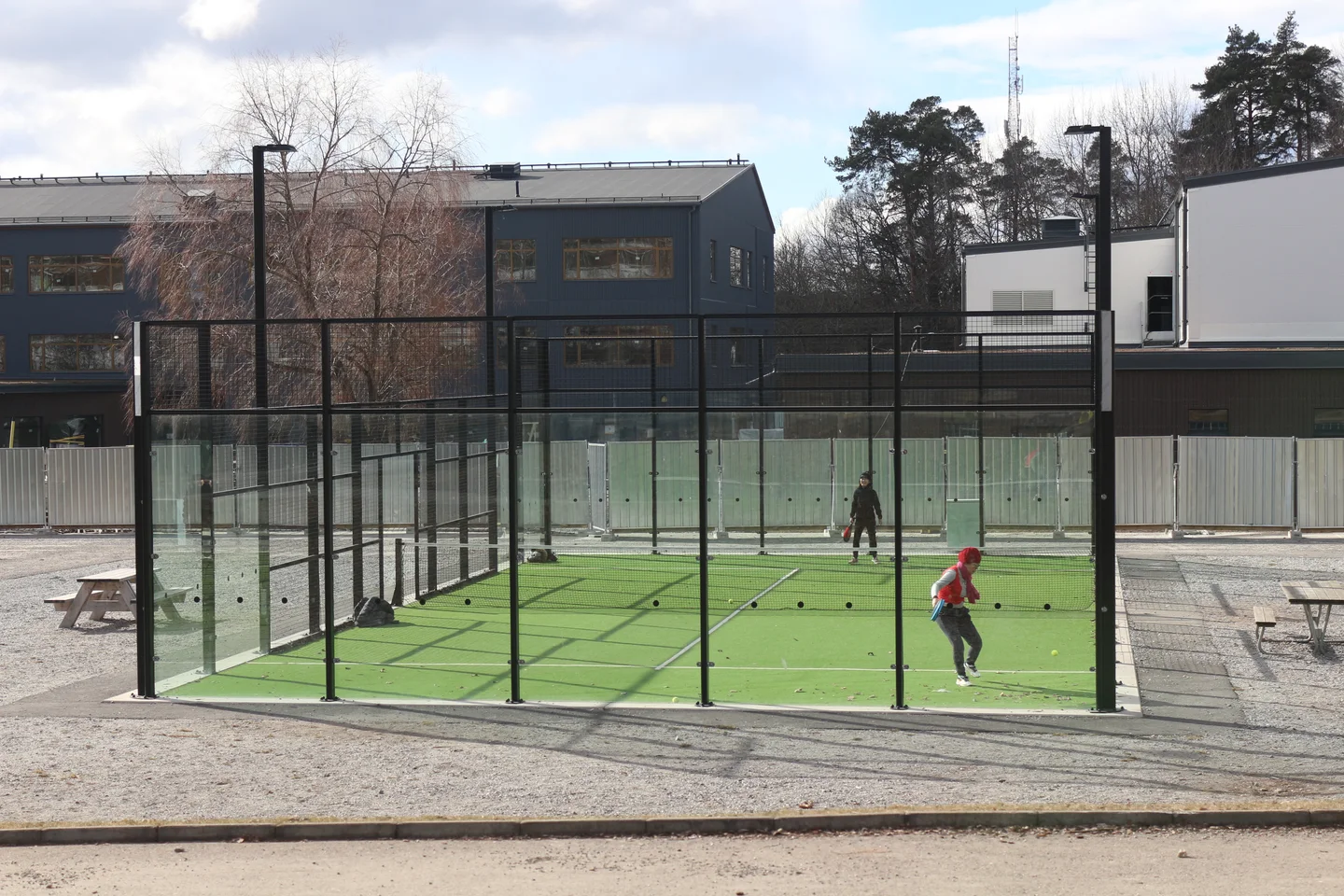
Padel balls and tennis balls look almost identical at a glance, but they are designed to behave differently. The key distinction is pressure: padel balls generally have lower internal pressure, which contributes to a slower, lower bounce. They are also slightly smaller on average. For a casual player, the practical takeaway is simple: use a ball intended for padel when you play padel, and check the ball requirements for organized play rather than assuming a tennis ball will feel the same.
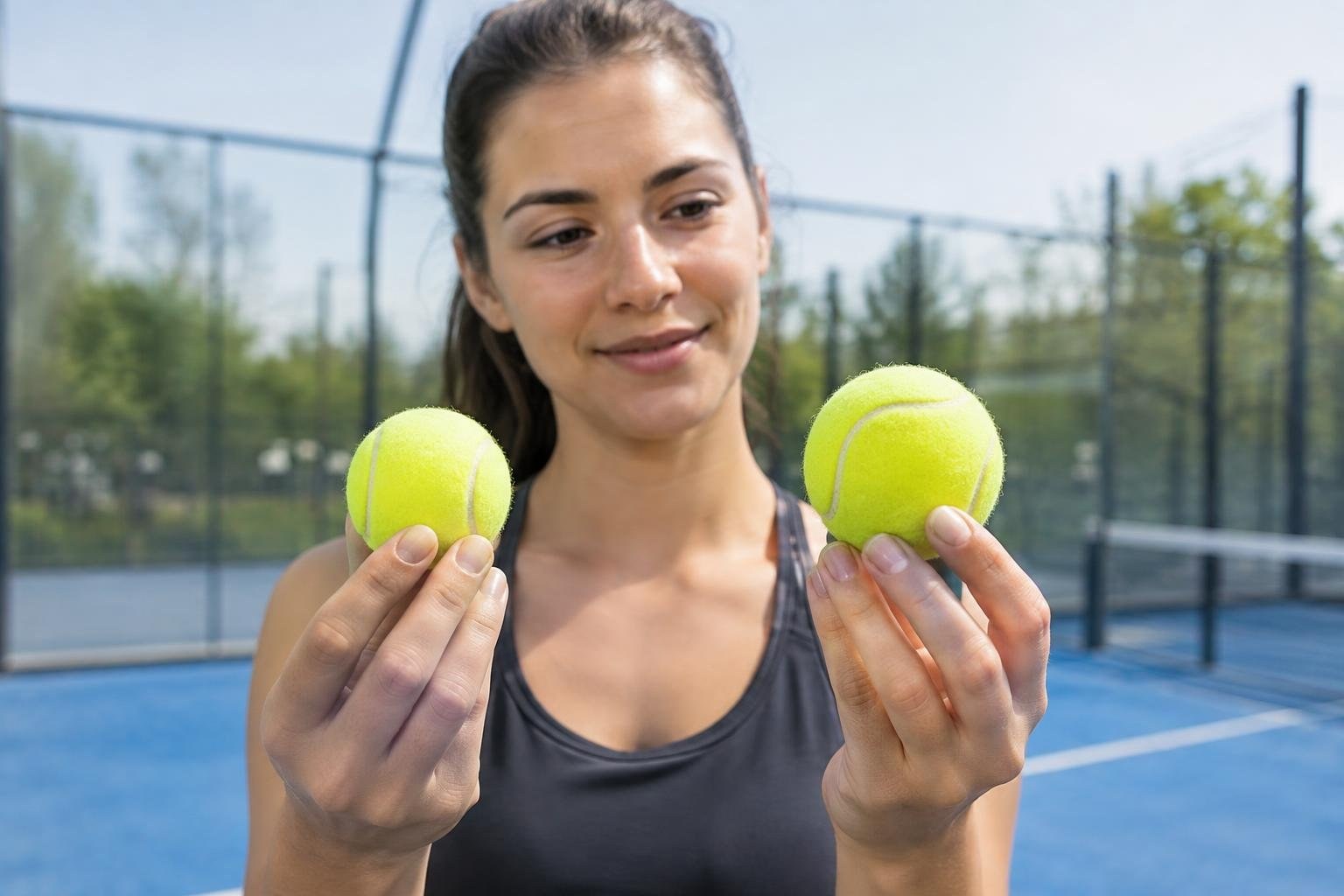
Quick answer: What is the difference between padel balls and tennis balls?
The main difference is pressure. General comparisons put padel balls at roughly 10 to 11 PSI and tennis balls at around 14 PSI. The lower pressure of a padel ball is associated with a less lively bounce. Padel balls are also slightly smaller on average: the cited diameter range is 6.35 to 6.77 cm, compared with 6.54 to 6.86 cm for tennis balls.
These are broad comparison figures, not a substitute for the label on a specific product. The diameter ranges overlap, so size alone may not tell you what sport a ball is made for. Check the packaging or product description for intended use.
- Padel ball: typically lower pressure and slightly smaller.
- Tennis ball: typically higher pressure and slightly larger.
- Practical effect: the balls can produce different bounce and feel, despite looking similar.
Why does the ball’s bounce matter in padel?
The ball influences how much time a player has to react and where a rally develops. Tennis balls are described as having a livelier, higher bounce suited to tennis play. Padel balls, with their lower pressure, are associated with a slower, lower bounce. In padel, that changes the feel of shots and how the ball interacts with the walls.
That difference matters whether you are learning basic control or already building points with lobs, volleys, and wall rebounds. A ball that feels more lively than expected may make your usual timing or shot selection feel different. It does not mean one type of ball is universally better; they are designed for different games.
For a fair comparison, use each type in the sport it is intended for. A short test hit can help you notice the difference, but it cannot establish that one ball is suitable for every court, session, or organized event.
What do padel balls and tennis balls have in common?
Padel and tennis balls share a familiar look and similar basic construction: a rubber core with a felt covering. The core contributes to bounce and response, while the felt is part of the ball’s outer playing surface. This similarity is one reason players can mistake one type for the other.
Appearance is not a dependable buying test. Both types may look like ordinary felt-covered balls, and their diameter ranges overlap. Rather than trying to identify a ball by sight or touch alone, check its packaging or the retailer’s product description for the intended sport.
Do not assume that matching color, brand, or surface means two balls will play alike. Pressure is a significant distinction, and small differences in how a ball responds can matter during repeated rallies.
Padel balls vs tennis balls: a side-by-side comparison
| Feature | Padel ball | Tennis ball |
|---|---|---|
| Typical pressure in cited comparisons | About 10 to 11 PSI | About 14 PSI |
| Cited diameter range | 6.35 to 6.77 cm | 6.54 to 6.86 cm |
| General bounce description | Less lively, lower bounce | Livelier, higher bounce |
| Typical intended use | Padel | Tennis |
Use this as a broad orientation, not as a product certification chart. The cited diameter ranges overlap, and ball specifications may vary by product. When the exact model matters, trust its labeling and the rules or instructions that apply to your session.
Which ball should you use, and when should you reconsider?
For a padel match or practice session, start with a ball labeled for padel. Its lower-pressure design is associated with a slower bounce than a tennis ball. If you are playing tennis, choose a tennis ball intended for tennis, where the livelier bounce is part of the expected play.
A tennis ball is not automatically unusable for a casual hit, but it should not be treated as an equivalent substitute. The difference may affect timing, bounce, and feel. If your group is experimenting with equipment, agree on the ball before play so everyone understands what to expect.
Signs to recheck your choice:
- The packaging identifies the ball for a different racquet sport.
- The bounce feels noticeably livelier or lower than expected.
- Your club or event has specified a particular type of ball.
- You cannot confirm what the ball is from its label or product information.
A bounce impression alone cannot identify the exact model or determine whether it meets an event requirement. Use it as a prompt to check the product details.
What does choosing the right ball involve?
Choosing a ball is a simple product-selection process, not a service project. First, decide whether the ball is for padel or tennis. Second, check the product description and packaging for the intended sport. Third, compare the listed specifications and pack format. Finally, confirm any event or club requirements before buying for organized play.
- Identify the use: casual practice, a social match, or an organized session.
- Check the label: look for an explicit sport designation, not just a similar appearance.
- Compare product details: review the stated size or pressure when provided.
- Confirm the requirement: ask the organizer if a specific ball has been requested.
- Keep the packaging information: it helps you compare the product again later.
This process reduces avoidable mismatches without assuming that every product uses identical specifications.
What factors should affect your ball choice?
The right choice depends first on the sport, then on the context in which you will play. For a casual session, a clearly labeled ball intended for that sport is a sensible starting point. For organized play, check requirements with the relevant club or organizer instead of assuming that a general product description answers every rule question.
Other useful comparison points include the stated pressure and diameter, how many balls are in the pack, and the seller’s return or replacement terms. Those details help you compare products without treating one specification as the whole story. A slightly different size figure does not by itself prove that a ball is unsuitable, especially because the cited ranges overlap.
If you are buying for a group, make sure everyone is comparing the same type of product. A tennis ball and a padel ball can look alike but have different expected bounce characteristics.
How much do padel balls cost, and what should you compare?
Price depends on the specific product and pack being considered, so compare like with like rather than relying on a single headline price. Check how many balls are included, which sport they are intended for, and whether pressure or size details are supplied. The available comparisons do not establish a universal price or prove that one type always costs more.
For a useful comparison, calculate the price per ball from the package total and number of balls. Then check whether both options are actually designed for the same sport. A cheaper tennis-ball pack is not a direct value comparison with a padel-ball pack if your intended use is padel.
Also review return terms before purchase, particularly if you are unsure whether a product meets a club or event requirement. Avoid paying extra for a claim you cannot verify in the product information.
How to choose a knowledgeable retailer or adviser
There is no separate installation or contractor process for choosing a ball. For ordinary retail purchases, the useful equivalent is checking the product description, intended sport, and any requirements from the place or event where you will play. If you need help, ask a retailer or coach to explain why a particular ball is recommended for that use.
A useful answer should identify the ball as padel or tennis and explain the relevant difference, such as pressure and bounce. Be cautious of advice based only on appearance or a blanket claim that one type is always better. If the recommendation is for organized play, ask whether it addresses the organizer’s stated requirement.
Do not assume that a seller’s general product description confirms acceptance at every club or competition. Verify the applicable requirement with the organizer.
Permits, credentials, warranties, and safety: what applies to a ball purchase?
Buying a ball does not normally call for choosing a contractor or obtaining a permit. The practical checks are product identification and any event-specific requirement. The available comparisons do not establish a single set of rules for every location or competition, so verify the relevant rule with the club or organizer if the ball is for organized play.
Read the product label and follow any care or use information supplied by its maker. Check the seller’s stated return terms if the ball is not what you expected. Do not assume a warranty, safety certification, or competition approval exists unless the product documentation or responsible organizer confirms it.
For general play, choose the type made for the sport you intend to play. For a formal event, confirm that the actual product is acceptable before purchasing a large quantity.
How to save money without choosing the wrong ball
The safest way to save is to avoid buying the wrong type. Confirm the intended sport before comparing pack prices, and compare the same pack quantity where possible. A tennis ball may look close to a padel ball, but their typical pressure and bounce differ, so choosing by appearance alone can create a poor-value purchase.
- Check the product label before checkout.
- Compare price per ball, not only total pack price.
- Ask the club or organizer about requirements before buying for a group.
- Review return terms if you are uncertain about the product.
- Do not pay for unverified performance claims.
Buying a larger quantity only makes sense if you know the balls are suitable for your intended use and can be used as planned. No single pack size or price is right for every player.
What to expect from the ball and how long to choose one
A ball’s behavior can change during play, but the available evidence here does not establish a dependable lifespan or a universal replacement schedule. Avoid assuming that a ball remains suitable for a particular session based only on how it looks. If the bounce no longer feels consistent, check the ball and compare it with a fresh ball intended for the same sport.
There is no fixed project timeline for this purchase. The decision can usually be made once you know the sport, the product label, and any requirements that apply to your session. Buying for an event may take longer if you need to confirm acceptance with an organizer.
When comparing performance, test like with like: a padel ball against another padel ball, or a tennis ball against another tennis ball. Comparing different types can reveal how their bounce feels, but it is not a controlled assessment of quality.
Mistakes, red flags, and a simple pre-purchase checklist
Common buying mistakes are easy to avoid:
- Choosing by appearance: both types look similar. Read the sport designation on the packaging.
- Assuming tennis balls are interchangeable: their higher typical pressure is associated with a livelier bounce than padel balls.
- Using diameter as the only test: the cited size ranges overlap.
- Comparing pack prices without checking the contents: work out the price per ball and confirm each pack is for the same intended use.
- Assuming a product is accepted for an event: ask the organizer when requirements matter.
- Trusting unsupported claims: ask for clear product information rather than relying on vague promises.
Before you buy: identify your sport, check the label, compare the product details, review pack quantity and return terms, and confirm any organized-play requirement. If one of those points is unclear, pause and ask before purchasing.
Frequently asked questions
What is the main difference between a padel ball and a tennis ball?
Padel balls are generally designed with lower internal pressure and a slightly smaller diameter than tennis balls. These differences are intended to create a less lively bounce for padel play. The two types look similar, but they are not automatically interchangeable.
Can you play padel with tennis balls?
A tennis ball may bounce more lively than a padel ball because tennis balls are typically described as having higher internal pressure. If a suitable padel ball is available, use that for padel rather than relying on a tennis ball to behave the same way.
How much pressure is in a padel ball?
The sources summarized here give approximate pressure figures of 10 to 11 PSI for padel balls and around 14 PSI for tennis balls. Treat these as general comparison figures, not a substitute for the specifications or rules that apply to a particular ball or event.
Are padel balls smaller than tennis balls?
The diameter ranges cited for padel balls are 6.35 to 6.77 centimetres, while the tennis-ball range is 6.54 to 6.86 centimetres. The ranges overlap, so diameter alone is not a reliable way to identify a ball.
Are padel balls made differently from tennis balls?
Both types are commonly described as having a rubber core and felt covering. Their similar construction helps explain why they look alike, but construction alone does not make their pressure, bounce, or intended play identical.
How do I know whether a ball is a padel ball?
Compare the product description and packaging for intended use, then check any ball requirements from the club or event organizer if you are playing organized padel. Do not choose by color or appearance alone.
People Also Ask
Why do padel balls bounce less than tennis balls?
Padel balls generally have lower internal pressure, which is associated with a less lively bounce. Tennis balls are designed for a livelier response. That difference changes how each ball feels during rallies.
What size is a padel ball?
The cited general diameter range for padel balls is 6.35 to 6.77 cm. For tennis balls, it is 6.54 to 6.86 cm. Since the ranges overlap, use the label or product information instead of judging by size alone.
Which ball should I use for padel?
A padel ball is the more suitable choice for padel because its pressure and size are intended for that game. A tennis ball may feel livelier, so it should not be treated as a like-for-like replacement.
Do padel balls and tennis balls look the same?
Both ball types are described as having a rubber core and felt covering. Their similar outer appearance does not mean they have the same internal pressure or play characteristics.
What PSI is a padel ball compared with a tennis ball?
The general figures in the available comparisons put padel balls around 10 to 11 PSI and tennis balls around 14 PSI. Product specifications and applicable playing requirements should take priority over broad estimates.
How can I tell padel balls apart from tennis balls?
Do not rely on color, felt, or a quick visual check alone. Look for product labeling that identifies the intended sport, and ask the club or organizer if you are unsure about an event's ball choice.
For padel, choose a ball designed for padel rather than assuming a tennis ball is an interchangeable substitute. The lower-pressure design and slightly smaller diameter are intended to produce a different bounce, which affects how the ball behaves in padel’s wall-based rallies. Compare the product label, intended use, pack price, and any guidance from your club or event organizer before buying. Once you know what to look for, choosing between padel balls and tennis balls is straightforward.
Your next step
Explore padel apparel and the Major League Padel community.
Last reviewed and updated October 8, 2026 by the Major League Padel Editorial Team.
Sources
- Padel Balls vs Tennis Balls: What's the Difference? – Aixo
- Difference between padel and tennis balls? – Padel Tonic
- Padel Ball Vs Tennis Ball: The 3 Must-Know Differences
- Padel vs tennis: What’s the difference between padel and tennis?
- Padel Balls vs Tennis Balls: What's the Difference?
- Padel Balls Vs. Tennis Balls: What is the difference
- Tennis Ball vs Padel Ball Difference | Padelshop.com – PadelShop.com
- Difference between padel and tennis balls | Playtomic