
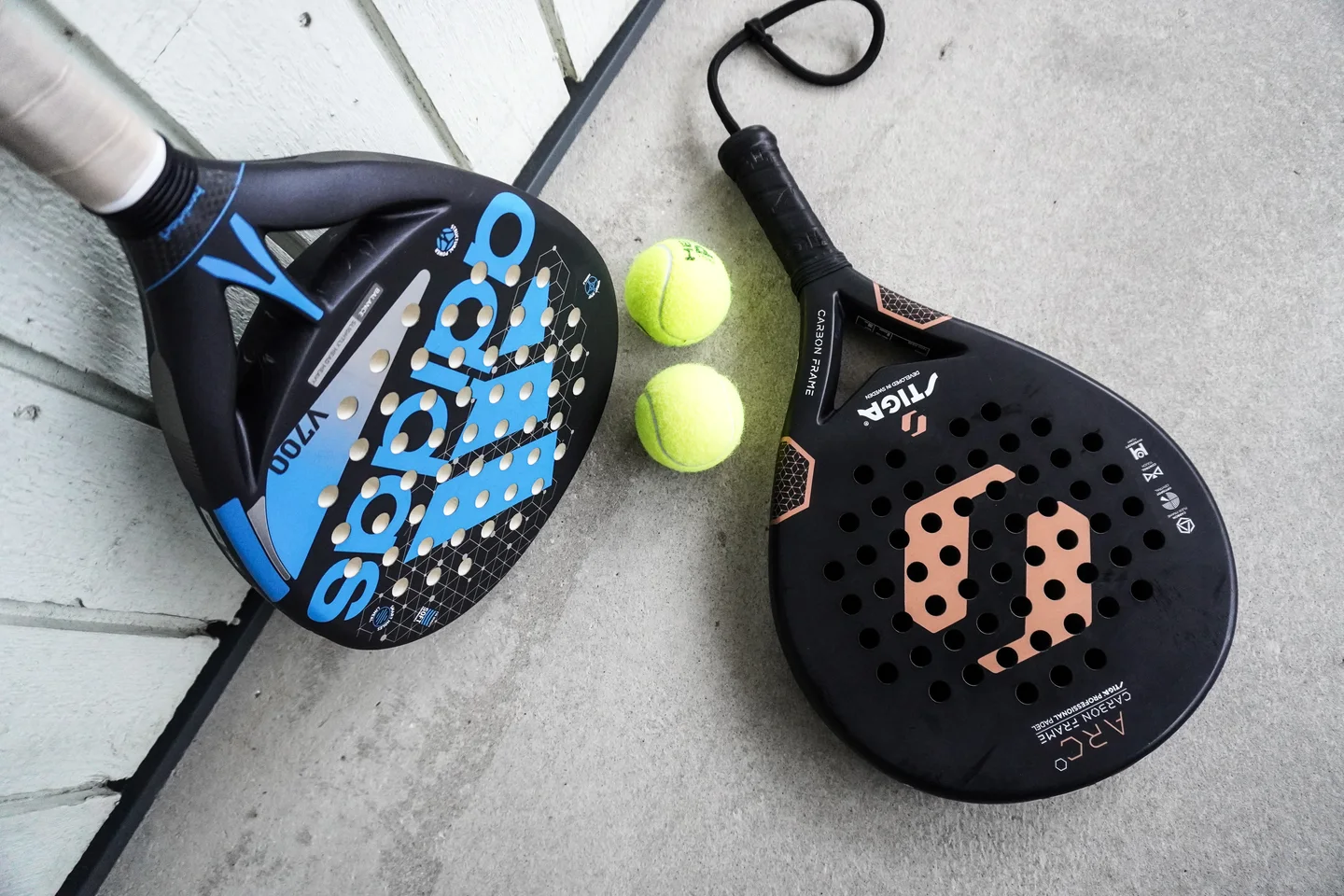
Choosing between round, teardrop, and diamond padel rackets is easier when you start with the tradeoff each shape is designed to make. Round shapes generally emphasize control and forgiveness, teardrop shapes aim for a balance between control and power, and diamond shapes are commonly associated with a more power-focused feel. Those descriptions are useful starting points, not guarantees: a racket’s balance, weight, comfort, and your own contact habits also matter. Use this guide to compare the shapes, decide what to test, and avoid paying for a style of play that does not fit your game.
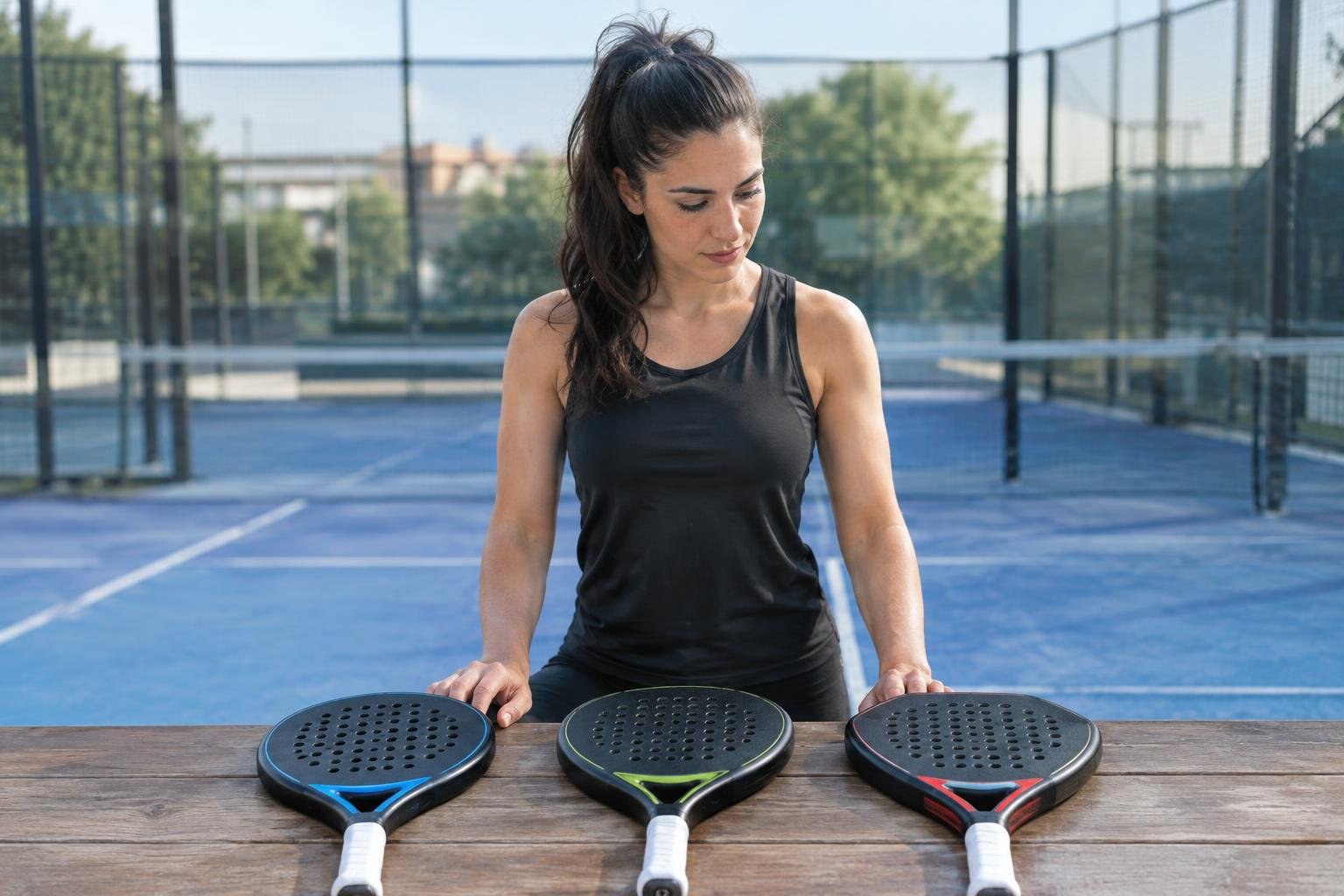
Quick answer: what do the three racket shapes mean?
The three shapes describe broad design tendencies, not a ranking from beginner to expert. Round rackets are associated with control and forgiveness. Teardrop rackets are positioned between round and diamond shapes, while diamond rackets are commonly described as more power-focused. These distinctions can help narrow a shortlist, but they cannot tell you exactly how a specific racket will feel.
A useful buying question is not simply, “Which shape is best?” Ask, “Which tradeoff would help me play more confidently right now?” If you value placing the ball and making reliable contact, begin by trying round shapes. If you want an all-around feel, include teardrop options. If you are seeking a more aggressive feel, try diamond shapes while paying close attention to control and comfort.
Use shape as a filter, then assess the racket as a whole. Two rackets with the same general shape may still feel different. Give yourself permission to choose based on your experience with the racket rather than its label or the level it appears to target.
Why racket shape matters, and what it cannot tell you
Racket shape matters because it gives you a first clue about the balance a design is intended to offer. Round models are commonly linked with control, maneuverability, and forgiveness. Teardrop models are framed as versatile options between control and power. Diamond models are associated with a more aggressive, power-oriented feel.
Those tendencies can inform your decision, but they do not replace trying a racket. A shape will not automatically fix late contact, poor positioning, or inconsistent shot selection. Nor does an advanced-looking shape make someone an advanced player. The right comparison is between rackets that feel manageable and help you execute the shots you actually use.
Think about the situations in which you most want confidence. Is it keeping the ball in play, directing it with control, or attacking when an opportunity appears? Use that answer to choose which shapes to test first. Then check whether the racket feels comfortable on both routine and more demanding shots.
Round vs teardrop vs diamond: options and tradeoffs
Round: A control-oriented starting point. Round shapes are commonly associated with a larger, more forgiving contact area and easy maneuverability. Consider one if you are learning, prioritize placement, or simply prefer a controlled feel. One buying guide particularly recommends a round shape for players in their first year, but that is general guidance rather than a rule for every player.
Teardrop: A middle-ground option. Buying guides describe it as balancing power and control, with a sweet spot somewhat higher than a round racket. Consider it if you want a versatile feel that does not lean as strongly toward either end of the control-power comparison.
Diamond: A more power-oriented option. Its shape is associated with a higher contact area and a more aggressive feel. It may appeal to an improving player who wants to attack more confidently, but that does not make it the best choice for everyone. Test whether you can make comfortable, controlled contact before choosing it.
These descriptions summarize broad tendencies, not promises about the result of every shot. If a racket’s shape sounds right but its feel does not, keep comparing.
When might it be time to consider a different shape?
Before shopping, identify what you want a new racket to help with. Useful signs to review include repeatedly wishing for more control, wanting a more attacking feel, or finding that your current racket does not feel comfortable or manageable. These are reasons to assess your equipment, not proof that a different shape will solve a technique or movement issue.
Notice when the problem appears. If you feel uncertain on ordinary, controlled shots, try comparing round options with the racket you use now. If you already feel confident keeping the ball in play but want a different balance between control and attack, add teardrop models to your shortlist. If you are considering a diamond shape for its more aggressive feel, test it on comfortable shots as well as attacking ones.
Write down what you want to improve before you visit a shop or ask for advice. A specific goal, such as “I want a racket that feels easier to maneuver,” is more useful than a vague request for the most powerful model. If the concern involves persistent discomfort, do not assume that changing shape alone is the answer; consider advice from a suitable professional.
Cost and pricing: how to compare value without guessing
No price range or current model specification is established by the information in this guide, so avoid treating shape as a shortcut to a price. Instead, compare the actual rackets available to you and note the full price, included items, return conditions, and warranty terms before deciding.
Make a shortlist by shape and intended feel, then compare similar options against your needs. A cheaper racket is not automatically the better value if it feels difficult to control or uncomfortable. A higher price is not evidence that a racket’s shape suits you. Prioritize the features and feel you can explain, rather than paying extra for a label or a claim that is not meaningful to your game.
If you are unsure, ask a retailer whether a demo or trial is available and whether any conditions apply. Compare the cost of trying an option with the cost and inconvenience of buying a racket that you do not enjoy using. Check purchase terms before paying, because return and warranty policies can differ by seller and product.
Factors that affect which racket is right for you
Shape is only one part of the buying decision. Your preferred feel, the shots you rely on, and how comfortable the racket feels should all influence your choice. A round racket may suit someone prioritizing control; a teardrop may be a useful comparison for someone seeking a balance; a diamond may appeal to someone seeking a more attacking feel. Those categories are starting points, not complete specifications.
When comparing rackets, keep a short checklist: shape, balance, weight, maneuverability, comfort, and confidence on ordinary shots. The supplied product information should answer specific questions about the model. Do not assume every racket of a given shape shares the same construction or sensation.
Also consider your current skill and goals without turning them into a rigid rule. Beginner-focused guidance often favors round or low-balance teardrop options, while teardrop and diamond options may interest players developing a more attacking game. Your own comfort and control are better decision checks than choosing a shape because it appears to match a level label.
How to compare your options
Compare the shapes in the same order: the feel you want, the tradeoff you accept, and whether you can use the racket comfortably. Round favors a control-oriented description; teardrop is the commonly described middle ground; diamond is more power-oriented. There is no need to move to another shape just because you have played for a certain amount of time.
| Shape | Commonly associated feel | Consider trying it if |
|---|---|---|
| Round | Control, forgiveness, maneuverability | You want a controlled feel or are starting out |
| Teardrop | Balance between control and power | You want an all-around option |
| Diamond | More aggressive, power-focused feel | You want to test a more attacking option |
Use the table to build a trial list, not to pick a winner without handling a racket. Shape labels describe general tendencies; your comfort and shot consistency should decide whether an option stays on your list.
What to expect when testing rackets, including timing
The comparison process can be simple: define your goal, narrow the shapes, check the product details, and assess how the racket feels. If a retailer or coach offers a demonstration, ask how long you can use the racket and whether the trial has any conditions. Plan enough time to compare ordinary shots, not only the shots that feel exciting during a brief test.
- Write down the main reason you are considering a change.
- Choose two or three rackets that represent the shapes you want to compare.
- Ask for the stated product details and purchase terms.
- Handle or test the options if that opportunity is available.
- Choose after considering comfort, control, and confidence, rather than deciding from a shape name alone.
There is no universal amount of time that guarantees a good decision. A quick comparison may help identify a preferred feel, while a longer trial may give you more chances to judge ordinary play. Do not let a sales deadline replace a clear comparison of the options and terms.
How to choose a qualified retailer or adviser
A useful source of buying advice should help you connect a racket’s stated design to your needs, explain the tradeoffs, and answer questions about the specific model. A retailer or coach should be able to discuss why a round, teardrop, or diamond option might suit the feel you described without insisting that one shape is right for every player.
Bring your shortlist and ask practical questions: What shape is it? What is the stated balance and weight? Can I try it? What are the return conditions? What does the warranty cover? If you receive only a level label or an unsupported promise of extra power, ask for a clearer explanation and compare another option.
There is no single professional credential established here as a requirement for selling or recommending a racket. Focus on the quality and clarity of the explanation, transparency about purchase terms, and whether the recommendation takes your comfort and playing priorities into account. You can also ask a coach who knows your game for an independent view.
Product information, warranty terms, and safe buying
Buying a racket does not generally call for a permit in this consumer comparison, but the specific purchase terms still deserve attention. Read the manufacturer’s product information and the seller’s warranty, return, and trial conditions before buying. Do not assume that a warranty covers every kind of damage or that a used racket has the same terms as a new one.
Comfort is a practical consideration. A shape associated with more power is not automatically comfortable or easy for you to control. Test a racket only in a way that feels manageable, and stop if using it causes discomfort. If discomfort continues, seek appropriate professional advice rather than relying on a shape change as a treatment.
Ask the seller to clarify anything unclear in writing, including what is covered and the steps for making a claim. The goal is to understand the product and your options before purchase, not to infer protections from the racket’s shape or marketing description.
Ways to save carefully when buying a racket
You can keep the buying process efficient without choosing blindly. First, decide what you want the racket to do for your game. That helps you avoid spending time or money comparing options that do not address your priority. Next, ask whether a trial or demonstration is available before committing to a model.
Compare the complete purchase terms, not just the displayed price. Check what is included, whether a return is possible, and what the warranty covers. If you already have a racket that feels comfortable, use it as a reference when handling alternatives. A simple written shortlist can keep the decision focused on differences that matter to you.
Avoid buying multiple rackets solely to discover which shape you like if a responsible trial option is available. Equally, do not choose a racket only because it is discounted. A saving is useful when the option still fits your needs and the purchase terms are clear.
Mistakes, red flags, and a practical buying checklist
Common buying mistakes include treating shape as a guarantee, assuming diamond automatically means better, or deciding that a player’s experience level dictates one correct option. Shape descriptions can guide a comparison, but they do not replace personal fit. Another mistake is focusing only on power while ignoring whether you can control and maneuver the racket comfortably.
Watch for advice that promises a particular result without explaining the tradeoff. Be cautious if you are pressured to buy before you understand the product details, trial conditions, return policy, or warranty. A confident recommendation should still leave room for your preferences and questions.
Before buying, check:
- Can I explain why this shape is on my shortlist?
- Have I considered balance, weight, comfort, and maneuverability?
- Does the racket feel manageable on routine shots?
- Do I understand the price, return terms, and warranty?
- Am I choosing for my current game rather than a label or promise?
If several answers are no, pause and compare again.
How player experience can guide your shortlist
For a beginner, a round racket is a sensible shape to try first if control and forgiveness are priorities. Some buying guidance also suggests round or low-balance teardrop rackets for newer players. That is a starting point, not a requirement: a comfortable racket that fits your preferences matters more than following a rule based only on time spent playing.
For an improving or intermediate player, teardrop can be worth testing when you want a versatile balance. If your game is becoming more attacking, you can compare diamond options too, but check whether the feel remains comfortable and controlled. More experienced players may still prefer a round racket if its control-oriented feel suits their decisions and technique.
At every level, ask the same question: does this racket support the shots I want to play reliably? Progress does not require changing shapes on a schedule.
Frequently asked questions
Which padel racket shape is best for beginners?
A round racket is often a practical starting point for newer players because it prioritizes control and forgiveness. The right choice still depends on how the racket feels in your hand and whether its balance and weight suit you.
Is a teardrop padel racket a good all-round choice?
A teardrop shape is commonly presented as a middle ground between the control-oriented round shape and the more power-focused diamond shape. It may suit players who want an all-around feel, but shape alone does not determine performance.
Who should use a diamond padel racket?
A diamond racket may appeal to players who want a more attacking feel and can consistently make contact near the racket’s higher sweet spot. Consider whether the feel gives you useful power without making control and comfort harder.
Does racket shape matter more than weight or balance?
No. Shape is one factor among several. Compare balance, weight, maneuverability, comfort, and how the racket feels on the shots you use most. If you can, try the racket or seek an informed demonstration before buying.
Should I choose a more powerful racket to improve faster?
Not necessarily. A more power-oriented shape does not automatically make a player more effective. Pick a racket that helps you control the ball and execute your current game, rather than buying only for a hoped-for power increase.
How can I compare padel rackets before buying?
Compare rackets under similar conditions, focusing on comfort, control, and confidence on ordinary shots as well as attacking shots. Ask a retailer or coach whether a trial is available, and check the seller’s return and warranty terms before purchase.
People Also Ask
What are round padel rackets good for?
Round rackets are commonly associated with control, maneuverability, and a forgiving feel. That makes the shape a reasonable option to try if you value placement and consistent contact.
What is the difference between round and teardrop padel rackets?
Teardrop rackets sit between round and diamond shapes in common buying guidance. They are often considered by players looking for an all-around blend of control and power.
Are diamond padel rackets more powerful?
Diamond rackets are commonly described as more power-oriented. Consider one if that attacking feel matches your game, but assess control and comfort as well as power.
What should I compare besides padel racket shape?
Shape is a helpful comparison, but it is not a complete specification. Also check how the racket feels in your hand and consider its balance, weight, and maneuverability.
Which racket shape should a new padel player try first?
A round shape is often a sensible first shape to try because it prioritizes control and forgiveness. Test the racket if possible, since the best choice is personal.
How do I choose a padel racket for my playing style?
Choose according to the shots you play reliably and the feel you prefer. A racket that supports controlled, repeatable contact may be a better fit than one selected only for its power-oriented profile.
What should I check before buying a padel racket?
Check the seller’s return and warranty terms before buying, and ask whether you can handle or test the racket. Compare like with like instead of choosing from shape labels alone.
There is no universally best padel racket shape. Round rackets generally favor control and forgiveness, teardrop rackets offer a middle ground, and diamond rackets emphasize power. Start with the shots you can make consistently, then weigh shape alongside comfort, maneuverability, and the racket’s overall feel. Compare options carefully, ask a qualified retailer or coach useful questions, and choose a racket that supports your game rather than one that promises to change it overnight.
Your next step
Explore padel apparel and the Major League Padel community.
Last reviewed and updated October 8, 2026 by the Major League Padel Editorial Team.
Sources
- Padel Racket Shapes Explained: Round vs Teardrop vs Diamond vs Hybrid – WX Padel
- Padel Racket Shapes: Round, Teardrop, Diamond | 12k Padel
- Best Padel Racket Shapes: Diamond, Teardrop or Round? – Casas Padel
- Padel Racket Shapes Explained: Round vs Teardrop vs Diamond vs Hybrid (UK Guide) – CORTA PADEL
- Padel Racket Shapes: Round vs Teardrop vs Diamond Explained – NEX Padel
- Different padel racket shapes. Which one is the best? | Playtomic
- Padel Racket Shapes Explained: Round vs Teardrop vs Diamond (USA Guide)
- Round vs Teardrop vs Diamond Padel Rackets: Which Shape Is Right for You? | OSW