
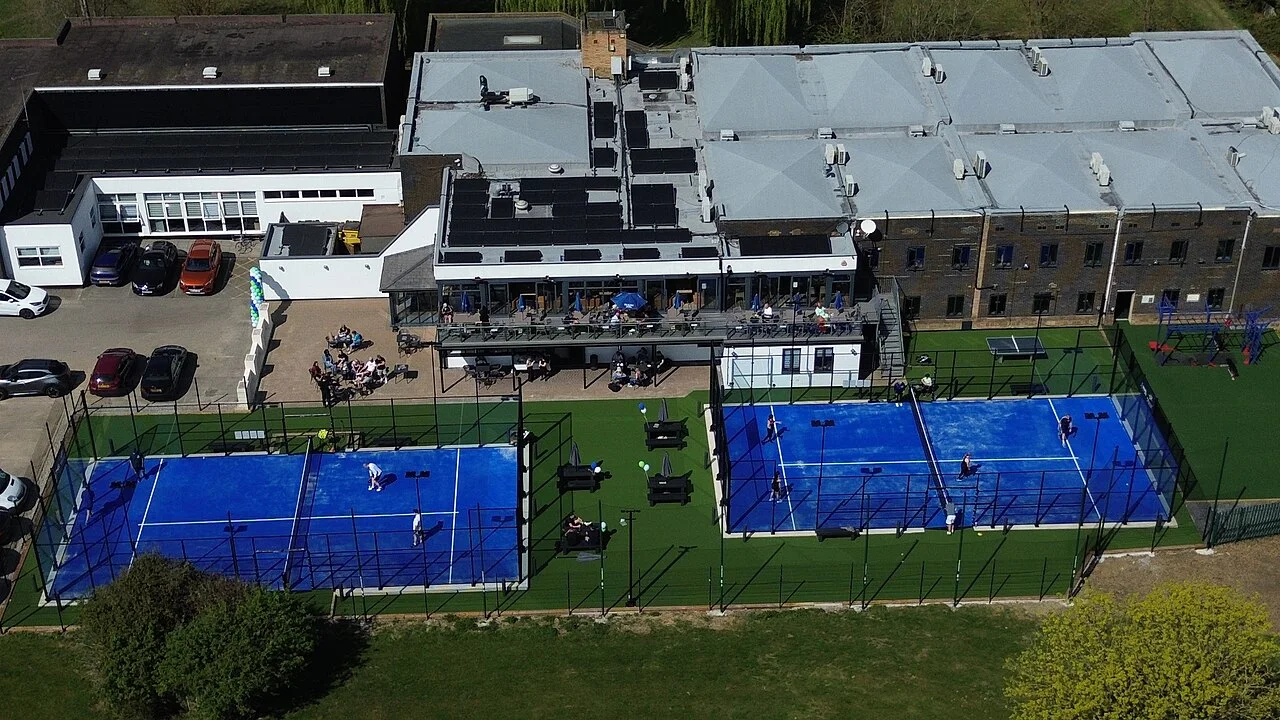
Starting padel does not require a full kit bag or months of coaching. For a first game, you need a padel racket, a ball, comfortable clothing, court shoes, and a way to access a court. If you do not own a racket or balls, ask the club whether it offers rentals or includes equipment. Padel is played in doubles, so arrange a group of four or look for an open-play session. A beginner lesson is optional, but it can help you understand how to move, communicate, and use the walls. This guide covers what to bring, what to book, what to ask about costs, and how to avoid buying more than you need.
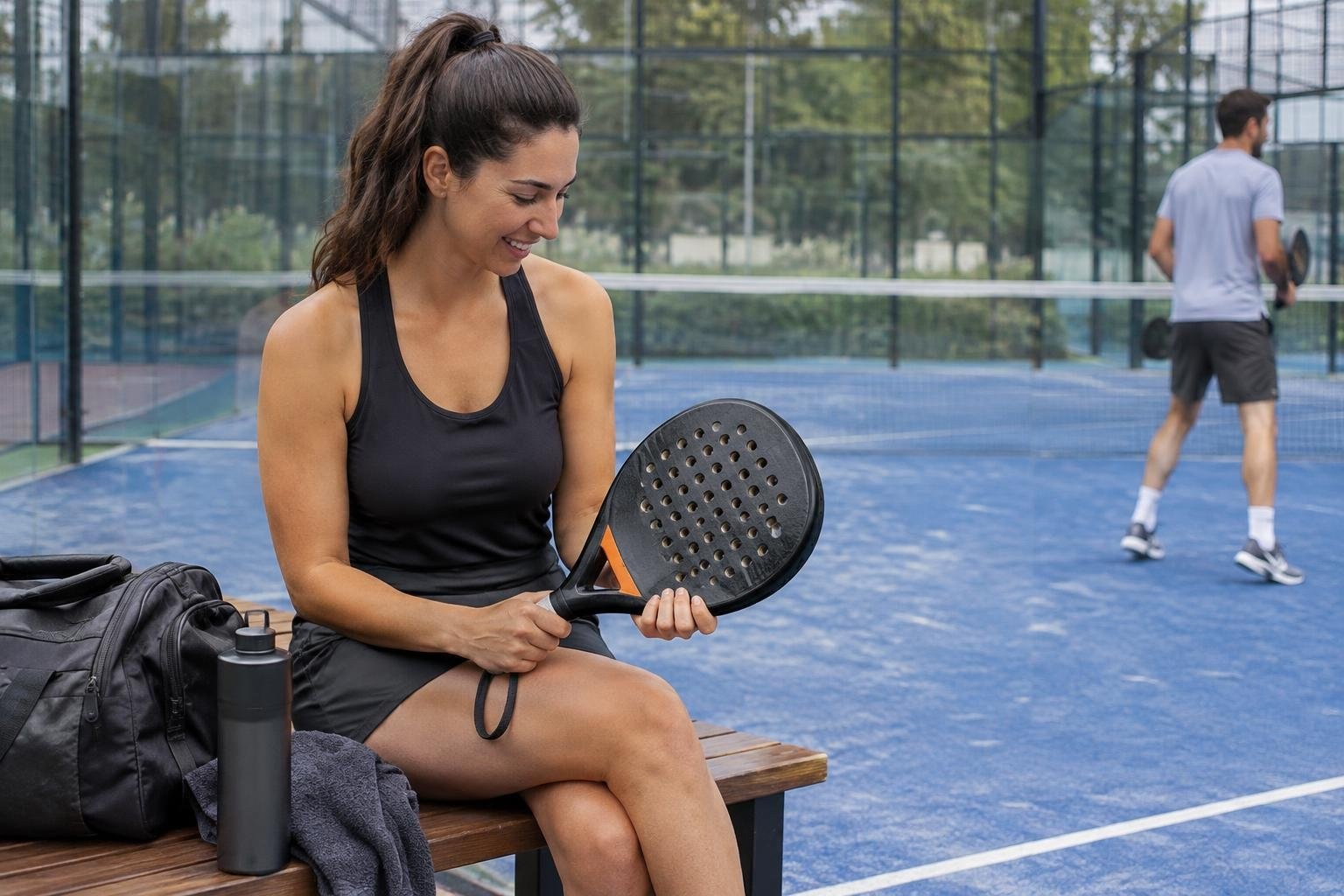
What do you need to play padel?
The short version: a racket and a ball are the basic playing equipment. For a more comfortable first visit, bring court shoes and clothing that lets you move freely. You also need a court booking or an open-play session and, for doubles, three other players. A club may offer racket and ball rentals, so ask before buying anything.
Think of getting started as three simple decisions: find a place to play, confirm what equipment is available, and decide whether you want instruction. A first game can be an informal introduction rather than a shopping project. You can add equipment later, once you know what feels comfortable and how often you expect to play.
Padel is played with a partner against another pair. That makes communication and court positioning part of the experience from the start, not details to worry about only after you have bought advanced equipment. Beginners can concentrate on keeping the ball in play, learning how it behaves around the walls, and moving as a pair.
How does a first padel session work?
A first padel outing usually comes together through a club, court, or open-play booking. Before confirming, check the session length, number of players, what equipment is included, and whether you need to arrive early. Rental availability can differ by venue, so do not assume a racket or balls will be waiting unless the booking details say so.
- Find a court or session. Look for a booking that suits your experience level. If you do not have three other players, ask about open play.
- Confirm equipment. Ask whether you need to bring a racket and balls or can rent them.
- Arrive ready to move. Wear comfortable clothes and court shoes that feel secure.
- Agree how to play. If it is your first game, tell the other players. Ask them to explain basic scoring and how they handle balls that come off the walls.
- Start simply. Focus on control and communication rather than trying to hit every ball hard.
A lesson or clinic is another option, not a requirement. It can offer a more structured introduction to the rules, basic shots, and movement. A casual booking may suit people who would rather learn through a relaxed game with friends.
When might you need a lesson or coaching?
You may benefit from a lesson if you are unsure how to use the walls, struggle to keep track of where to stand, or want an introduction before playing with more experienced partners. These are practical reasons to seek guidance, not signs that you must become an advanced player before joining a game.
Padel is played in doubles, so each player shares court coverage and decisions with a partner. A beginner session can help you practise communicating, moving together, and choosing a controlled shot. Players who already feel comfortable learning in a casual game may prefer to start without coaching and book a lesson later if a specific part of the game proves difficult.
Look for a session described as beginner-friendly if you are new. Ask what the coach or clinic will cover: an overview of how the game works, basic shots, using the glass, and partner positioning are useful subjects to clarify. A lesson is most valuable when its content fits what you want to learn, rather than being an automatic purchase.
If you are returning after a long break or have a particular concern about movement, comfort, or confidence, discuss it with the coach before the session. You can then decide whether the format is appropriate for you.
What affects the cost of playing padel?
The cost of starting depends on what you book and what you already own. Request the full amount for the option you are considering, including any court booking, rental equipment, open-play place, or coaching.
Use these questions when comparing options:
- Is the quoted amount for the court, an individual place in open play, or a lesson?
- Are racket and ball rental included, optional, or unavailable?
- Does the booking require four players, or can individuals join?
- Is there a cancellation or change policy you should understand?
- Would a beginner clinic cover several fundamentals in one session, or do you want to pay only for court time?
For a first try, borrowing or renting can avoid an unnecessary equipment purchase. If you enjoy the sport and intend to play regularly, compare the ongoing cost of rentals with buying a racket and balls. Decide using your own expected frequency, comfort, and budget, rather than assuming the most expensive choice is the right one.
Prices and booking terms vary between providers and can change. Check directly with the venue before you commit.
What equipment options and tradeoffs should you compare?
There is no need to buy a full set of specialist gear before your first game. A padel racket and ball are the playing essentials; comfortable clothes and suitable shoes make the session more practical. If a venue rents equipment, that can be a low-commitment way to try the sport before choosing a racket.
| Choice | What it offers | Best suited to |
|---|---|---|
| Borrow or rent a racket | Lets you try a session without making an early purchase | First-time players or occasional visitors |
| Buy a racket | Gives you a racket you can assess and use over time | People who have decided they want their own equipment |
| Book a casual game | Offers an informal way to experience the sport | Players comfortable learning with friends or other beginners |
| Choose a lesson or clinic | Adds structured guidance to the session | Players who want help with fundamentals or technique |
When comparing rackets, consider weight, balance, and grip size, then notice how the racket feels in your hand. A racket should suit your preferences and playing style; it is not necessary to choose one based on a label or appearance alone. Padel rackets have holes through the face, and padel-specific balls are designed for the game. If purchasing balls, check that they are intended for padel rather than assuming all racquet-sport balls play alike.
What should you expect from your first game, and how long will it take?
Plan for the time stated in your booking and allow enough time to check in, collect any rental equipment, and get ready. If your schedule is tight, ask when you should arrive and when the booking ends.
Expect a learning curve during the first game. Padel combines racket skills with the use of court walls, and beginners may need time to judge how a ball will rebound. Guides for new players introduce basic shots such as volleys and lobs, as well as playing off the glass. Start with the simplest goal: return the ball under control and learn from each rally.
Because the game is doubles, agree with your partner who will take a ball that travels between you. Move and communicate instead of both chasing the same shot or leaving space uncovered. You do not need to master named shots such as the bandeja, vibora, or chiquita before you play. Those are techniques to explore as your understanding grows.
Give yourself permission to enjoy the game without measuring your first session against experienced players. If you want specific feedback, ask a coach about a follow-up lesson or clinic.
How do you choose a suitable club, session, or coach?
Choose a venue based on the session you want, the equipment it can provide, and the clarity of its booking information. If you are comparing clubs or coaches, contact each one with the same questions so you can compare like with like.
- Does the provider have a beginner session, clinic, or open-play option?
- Can you rent a racket and obtain balls there?
- How many players are expected, and what happens if you do not have a group of four?
- What will a lesson cover, and is it designed for someone new to padel?
- What are the total charges and the booking or cancellation terms?
- What should you wear, bring, or know before arriving?
For coaching, ask about the instructor’s relevant padel experience and how they adapt instruction for beginners. Ask for a clear outline of the session before paying. A confident answer should help you understand what you will practise and what equipment you need; avoid choosing solely on a broad promise of rapid improvement.
Look for information that is specific and easy to verify: session format, price, equipment arrangements, and the level the activity is meant for. If something important is unclear, get it confirmed in writing before booking.
What should you check about safety and venue rules?
Before your first game, check the venue’s instructions for footwear and equipment. Ask whether you need to bring a racket and balls or can rent them there. Equipment arrangements and booking details can vary, so confirm what is included before you go.
Comfortable clothes and court shoes are practical choices for a first session. If you are unsure whether your shoes are suitable for the court, ask the venue for its guidance. Check any rental equipment before play and ask the provider about its terms if you have questions.
How can you save money without compromising your first session?
The simplest way to keep your first outing manageable is to avoid buying items you may not need yet. Ask about racket and ball rentals, check whether open play fits your situation, and compare the total price of a casual session with a lesson or clinic. These options let you choose the kind of introduction that suits your budget and confidence.
- Try a rental racket before purchasing one.
- Ask whether balls are supplied or whether you need to bring them.
- Find out whether you can join open play instead of arranging four players yourself.
- Buy only the equipment you expect to use, and consider comfort and grip before appearance.
- Confirm the total cost and terms before booking, including any rental charge.
Do not save money by ignoring equipment comfort or venue guidance. A racket that feels awkward or shoes that feel unstable can make a first session less enjoyable. If you decide to buy, compare the racket’s weight, balance, and grip size and seek a chance to hold or test it where available. The aim is a sensible, comfortable starting setup, not the largest possible gear collection.
What mistakes and red flags should beginners avoid?
Common beginner mistakes are usually easy to avoid. Buying a racket before checking whether one can be rented can add cost before you know how often you will play. Booking without confirming equipment can leave you short of a racket or balls. Trying to learn advanced shots immediately can distract from the basics of keeping the ball in play and communicating with a partner.
Use this quick checklist before you leave:
- Have I confirmed the booking time and what the session includes?
- Do I know whether a racket and balls are supplied or available to rent?
- Have I arranged four players or checked whether open play is available?
- Am I wearing comfortable clothes and suitable court shoes?
- Do I know the total price and the provider’s terms?
- If I booked coaching, do I know what the session will cover?
On court, resist the urge to hit every ball hard. Give yourself time to read the bounce, especially when the ball interacts with a wall. Keep talking with your partner and choose a controlled shot when you are unsure. Guides for beginners emphasize learning essential shots and playing off the glass; there is no need to arrive knowing every advanced term.
If a provider cannot clearly explain what is included, what you need to bring, or what you will pay, pause and ask for clarification before committing.
A simple plan for getting started
Padel does not require a big initial investment in equipment or lessons. Start by finding a suitable session, checking whether you can rent what you need, and arranging the players. A racket, ball, comfortable clothes, and court shoes are a practical starting point. A lesson can help if you want structured guidance, but it is optional.
When you compare choices, focus on fit: does the session suit a beginner, are equipment arrangements clear, and does the total cost work for you? If you buy a racket, give priority to how it feels in your hand, including its weight, balance, and grip. If you are playing with a partner, communicate and be patient as you learn the court and walls.
Check the club’s current booking details rather than relying on assumptions about local prices, equipment, or requirements. With a little preparation, you can arrive ready to play and spend your first session discovering whether you want to return.
Practical factors to plan before your first padel game
Planning your first padel session depends on a few practical choices. Check these factors before you book so you know what to arrange and what equipment to bring.
- Equipment access: If you do not own a racket or balls, check whether the club offers rentals or supplies them. Availability can vary by venue.
- Player numbers: Padel is played in doubles, so arrange four players or find out whether the venue offers open play.
- Session format: A casual game offers an informal start, while a lesson or clinic provides structured guidance. Choose based on whether you want to learn through play or get help with fundamentals.
- Racket fit: If you are buying a racket, consider its weight, balance, and grip size, and choose one that feels comfortable in your hand.
Confirm the equipment arrangements and session details with the venue before booking. These checks help you plan a first game without assuming what is included or buying gear you may not need.
Frequently asked questions
What equipment do you need to play padel?
The essentials are a padel racket, a ball, comfortable clothing, and court shoes. You also need access to a court and enough players for a game. Ask whether the venue rents rackets and supplies balls before buying equipment.
Do you need lessons to play padel?
No. A lesson is optional, and you can start with a booked court or open-play session. A beginner lesson or clinic can be useful if you want help with the rules, court positioning, or using the walls.
How much does it cost to start playing padel?
Ask local clubs about court fees, equipment rental, open-play sessions, and lesson prices. The amount you pay depends on what you book and what equipment you already have, so check the total before confirming.
How many people do you need to play padel?
Padel is played in doubles, with two players on each side. Finding three other players or joining an open-play session gives you the group needed for a standard game.
Can you rent a padel racket?
Many clubs offer racket rentals, but availability varies. Ask the venue before booking, and consider weight, balance, and grip size if you decide to buy your own racket.
Do you need special shoes for padel?
Court shoes are a sensible choice for playing on a padel court. Ask the venue whether it has footwear guidance for its surface, and avoid playing in shoes that feel unstable or uncomfortable.
People Also Ask
What kind of racket do you need for padel?
A padel racket is a solid-faced, perforated racket designed for the sport. For a beginner, comfort and manageable handling matter more than buying advanced equipment. Consider weight, balance, and grip size, and try a rental if possible.
Can you use tennis balls to play padel?
Padel balls are made for padel, and their bounce differs from tennis balls. If you are buying balls, choose ones intended for padel and ask the club whether balls are supplied for a court booking or lesson.
Can you play padel with two people?
The usual game is doubles, with two players on each team. If you do not have a group of four, ask a club whether it runs open-play sessions where players can join a group.
Can I play padel without owning a racket?
Yes, if you can borrow or rent a racket from the club or another player. Confirm whether a racket and balls are available before booking so you know what to bring.
Is padel easy to learn without a coach?
You can start with a first game, but a beginner lesson or clinic may make the basics easier to understand. Consider instruction if you are unsure how to use the walls, position with a partner, or choose shots.
What should I wear to my first padel game?
Wear comfortable clothing and court shoes that feel secure when moving. Ask the venue whether it has footwear guidance for its court surface and what equipment is supplied or available to rent.
You can start playing padel with very little: a racket, a ball, suitable court shoes, comfortable clothing, and a booked court or open-play session. If you do not own equipment, ask whether a club rents it. A lesson is optional, but coaching can help if you want guidance with the walls, positioning, or basic shots. Check what is included before you book, choose equipment that feels comfortable, and focus on control and communication in your first games.
Your next step
Explore more padel guides and practical advice on mlpadel.com before you book your first game.
Last reviewed and updated October 8, 2026 by the Major League Padel Editorial Team.
Sources
- How to play padel: the ultimate beginner's guide
- Playing Padel: Beginner Guides, Rules, Shots & Strategy – Best Padel Life
- Padel for Beginners — Rules, Gear & Your First Match (2026 Guide) | Padel Rules
- Padel for beginners: How to play, where to play and the gear you need | Shortlist
- How to play Padel – Everything you need to know
- How to Play Padel: Complete Beginner's Guide 2026
- What do I need to play padel?
- How to get started in padel | Beginner’s guide