
A padel racket does not come with one reliable replacement date. A racket used occasionally and kept in good condition may remain useful for years, while frequent, forceful play can make replacement necessary sooner. Rather than buying on a calendar alone, look for damage and changes in feel, vibration, control, or power. This guide explains how to assess those signs, decide whether to replace or keep playing, and choose a new racket without paying for an upgrade you do not need.
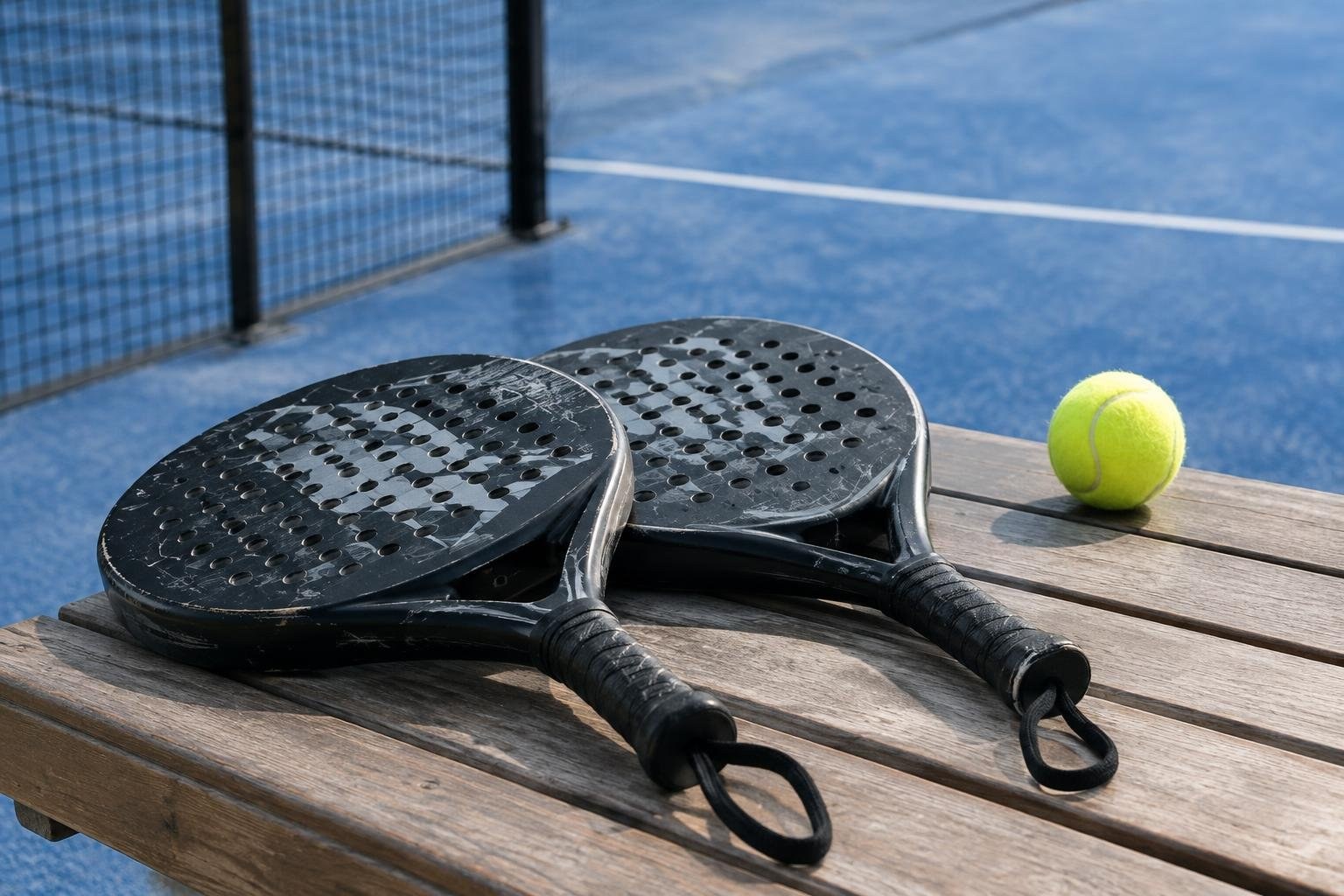
Quick answer: when should you replace a padel racket?
There is no single replacement interval that suits every player. Racket lifespan depends in part on how often you play, how hard you hit, and how well you look after it. Some players may use a racket for years; others may need one sooner. Treat calendar-based estimates as a reminder to inspect your equipment, not as a rule that means every racket has expired.
The practical test is condition and performance. A racket that feels consistent and has no concerning damage may still suit you. A racket with cracks, persistent unusual vibration, or a clear and lasting loss of control or power deserves closer attention.
Why racket condition matters
Replacing a racket matters when the equipment no longer feels dependable, not simply because a new model is available. A change in how the racket responds may affect your confidence in shots and your enjoyment of play. A new racket can also feel different, but newer does not automatically mean better for your game.
Start by separating a genuine equipment concern from a temporary change in your own play. If a problem keeps appearing across sessions, inspect the racket and consider whether it has changed from its normal feel. Do not assume a purchase will fix a technique issue or discomfort with no clear connection to the racket.
Signs your padel racket may need replacing
Check the racket in good light before or after play. Look across the frame and face for cracks, and note whether anything seems loose or visibly damaged. Then pay attention to the response during play: has the impact sound become noticeably dull, does the racket transmit more vibration than before, or has control or power declined in a way that persists?
- Visible cracking: Treat a crack as a serious warning sign and pause play until you have assessed it.
- Changed sound or feel: A muted response may be a clue, especially when it comes with other changes.
- More vibration: Notice whether it is a lasting change, not just one uncomfortable shot.
- Reduced performance: Look for a consistent drop in power or control rather than blaming the racket for a single poor session.
Performance changes may be noticed before obvious damage appears, so do not rely on a visual check alone.
When replacement may not be necessary
A racket may not need replacing just because it is older or has cosmetic wear. If you see no concerning damage and it still feels consistent, keeping it is a reasonable choice. Consider replacing it when the racket has a persistent performance change, damage that raises safety concerns, or no longer suits what you want from your equipment.
Ask yourself whether the change happens repeatedly, whether it affects several types of shots, and whether another explanation is more likely. A new racket is an option, not a guaranteed fix. If the issue is unclear, get an informed inspection before deciding.
Cost considerations: what affects the price of replacing a racket?
Before spending, compare the total cost of the racket you are considering and check the seller’s current terms. Avoid using an unsupported lifespan estimate to justify a purchase on a fixed schedule.
Think about value in relation to your actual use: a frequent player may weigh durability and consistent feel differently from someone who plays occasionally. If the racket is damaged, ask whether an inspection or any available remedy is appropriate before buying another. Do not assume repair is possible or economical without checking the specific product.
What affects a racket’s useful life?
How long a racket lasts is influenced by use and care. Playing frequency and hitting intensity are important considerations, so a regular competitive player should inspect equipment more often than someone who plays occasionally. Sources offer different time estimates, which is another reason not to treat a single number as a guarantee.
Care also matters. Keep track of how the racket is transported and stored, and check it periodically for damage or changes in feel.
Keep, inspect, or replace: comparing your options
Players generally face three practical choices: keep using the racket, seek an assessment, or buy a replacement. Keeping it makes sense when it is in good condition and performs consistently. An assessment is useful when you cannot tell whether damage is superficial or a change in feel points to a problem. Replacing it is worth considering when there is concerning damage or a persistent change that affects your play.
Do not compare rackets by a single label or promise of more power. Choose according to your priorities, such as comfortable handling, predictable control, or the response you prefer. Consider how a racket’s feel and performance fit your style of play rather than assuming one model or specification is best for everyone.
What to expect: inspection and replacement timing
There is no fixed waiting period that applies to all players. If you notice a concerning crack, pause and seek an assessment before returning to play. If the concern is a gradual change in sound or performance, compare how the racket feels over more than one session and arrange an inspection if you remain uncertain.
Once you decide to buy, allow time to compare options and check the seller’s return, warranty, and delivery terms before committing. Those terms differ, so confirm them directly rather than assuming that a particular policy applies. Do not rush a purchase solely because a general guide suggests a racket should be replaced after a set number of months.
How to choose a qualified person to assess or advise you
If you need help, look for someone who can assess the specific racket rather than offering only a sales recommendation. A manufacturer’s customer-support channel or a retailer familiar with padel rackets may be a sensible place to ask whether a mark appears structural and what options are available. Share when you noticed the change and describe what has changed in play.
Ask what the assessment covers, whether there is a charge, and whether any recommendation is based on inspection or simply on the racket’s age. If you are considering a replacement, explain your priorities and ask to compare alternatives. The goal is a suitable decision, not an automatic upsell.
Safety, warranties, and checks before you buy
A visible crack is a serious warning sign. If you find one, stop using the racket until its condition has been assessed. Do not assume that a crack is harmless based on how it looks. If you are unsure whether a mark is a crack or a surface blemish, ask the manufacturer or a retailer familiar with padel rackets to assess the specific racket.
Before buying a replacement, read the seller’s current terms and ask the seller or manufacturer how to raise a damage or warranty concern. Terms vary, so confirm what applies to the product you are considering and keep relevant purchase and product information. Do not attempt a repair unless the manufacturer or a qualified professional confirms that it is suitable.
Ways to save without compromising your decision
The safest way to save is to avoid replacing a racket that remains in good condition and performs consistently. Inspect it periodically, take care when transporting and storing it, and compare your current racket’s feel with any replacement before buying. If damage is uncertain, ask about an assessment instead of ordering a new racket on speculation.
When shopping, compare the features that matter to your play and check purchase terms. Do not choose solely on a discount, a claimed lifespan, or a promise that a new racket will automatically improve performance. Spending less is not a saving if the replacement does not suit you.
Common mistakes and a practical replacement checklist
Use this quick check before you decide:
- Inspect the frame and face for cracks or other visible damage.
- Notice whether the sound, feel, vibration, control, or power has changed.
- Check whether any change continues over multiple sessions.
- Consider how often and how intensely you play, and how you handle the racket.
- If damage is unclear, ask for an assessment before playing on or buying a replacement.
- If you shop for a new racket, compare options against your comfort and playing priorities.
- Read the seller’s return and warranty terms before paying.
Common mistakes include replacing a racket on a rigid calendar, assuming every muted sound means damage, ignoring a persistent crack, or buying a model because it promises a performance benefit without checking whether it fits your needs.
Factors that affect a racket’s useful life
Think of replacement as a decision shaped by several connected factors, not a deadline. How often you play and how forcefully you hit affect how quickly the racket may change. A player who uses a racket often has more reason to check it regularly than someone who plays occasionally. A racket may last for years with lighter use, while frequent play may mean replacing it sooner.
Condition matters more than the calendar. A racket with a persistent crack, unusual vibration, or lasting decline in power or control calls for closer attention, even if it is relatively new. Conversely, age alone does not show that a racket has stopped performing well. Compare its current response with what you remember from when it felt normal, and look for more than one sign before concluding that a change is real.
Your priorities also affect the decision. If comfort, precision, power, or enjoyment has become a concern, consider whether the racket’s response is contributing. A different racket may offer a different feel, but a new purchase is not automatically an improvement for every player. Think about the way you play and what you want from your equipment before weighing a replacement against continued use.
Finally, consider whether you have enough information to act. If you cannot tell whether a mark is a crack or whether a performance change is persistent, an assessment can help you avoid both unnecessary replacement and continued use of a racket that may be damaged. Compare the cost and terms of a specific option only after you have decided that replacement is warranted.
How to use lifespan estimates without following a rigid schedule
Published lifespan estimates vary, so they are better used as reminders to inspect your racket than as universal rules. Some guidance says a racket may last for years for some players or need replacing every season for others. Other estimates give different calendar intervals. Judge your racket by its condition and response rather than treating any estimate as a warranty or expiry date.
Use a time estimate as a reminder to pause and evaluate. Ask whether you play more often or hit harder than you did when you bought the racket, whether its feel has changed, and whether you can see damage. If there is no damage and the racket still feels consistent, age alone is not a strong reason to upgrade. If there is a persistent change, investigate it even if the racket is younger than a suggested interval.
Keep a simple mental or written record of what feels different and when you first noticed it. This does not establish the cause, but it can help you distinguish a one-session fluctuation from a repeated change when comparing the racket over time or discussing it with a retailer or manufacturer. Avoid deciding based on a single poor session or a quoted lifespan without considering your use and care.
A practical racket inspection routine
A useful inspection combines what you can see with what you notice during play. In good light, look over the frame and face for cracks or other visible damage. Then consider sound, vibration, feel, power, and control. A muted impact sound can be a clue, but sound alone does not prove that the racket is worn out. Give greater weight to a change that keeps showing up and appears alongside another concern.
Compare like with like where possible. Think about whether the same shots or situations feel different from your usual experience, and whether the change continues across sessions. One uncomfortable impact or an off day is not enough to conclude that the racket has failed. At the same time, do not dismiss a visible crack simply because the racket still seems playable.
If the inspection leaves you uncertain, describe the specific mark or change to someone familiar with padel rackets. Ask whether they can assess the racket itself and what their recommendation is based on. An assessment is especially useful when you are deciding between continued use and replacement, because it can help you avoid making that decision from age or appearance alone.
Repeat the check periodically, particularly if you play often or hit with high intensity. The point is not to search for a reason to buy a new racket. It is to notice a meaningful change early enough to make a considered choice.
Keep, assess, or replace: the tradeoffs
Keeping your current racket avoids paying for a replacement before you need one. It is a sensible option when there is no concerning damage and the racket continues to feel consistent. The tradeoff is that you should keep paying attention to its condition rather than assume it will remain unchanged indefinitely. Playing frequency, hitting intensity, and care all affect how long a racket remains useful.
An assessment sits between keeping and replacing. It can be helpful when the signs are ambiguous, such as a mark you cannot identify or a gradual change that may have another explanation. Ask what the assessment includes and whether the recommendation is based on inspecting your racket. Do not assume a repair is available or worthwhile for a particular product without checking.
Replacement becomes more compelling when you find a crack or a lasting performance change that affects your play. It may also make sense if the response no longer matches your preferences, though a newer racket is not automatically better. Before buying, compare options by the qualities that matter to you, such as comfort, precision, power, or control, rather than relying on a broad claim that a model will improve everyone’s game.
There is no single best choice for all players. Use the least costly option that addresses the actual concern: keep a sound, consistent racket; seek an assessment when the condition is unclear; and replace it when damage, persistent performance changes, or your needs justify doing so.
Choosing a replacement that fits your priorities
Begin by identifying what you want the next racket to do for your game. Players may consider changing equipment to pursue greater precision, power, comfort, or enjoyment. These are priorities to compare, not guarantees that a particular new racket will deliver the same result for every player. A racket that suits another player may not suit your preferences.
Use your current racket as a reference. Note what you like about its feel and what you want to change. If it remains consistent and has no concerning damage, ask whether an upgrade is truly needed or simply appealing because a new model is available. If a persistent loss of power or control is part of the problem, compare replacement options with that specific concern in mind.
Ask a knowledgeable retailer or manufacturer contact to explain differences between the options you are considering. Describe how often you play, how you use the racket, and what feels uncomfortable or unreliable. Seek advice grounded in your stated priorities, not just a recommendation based on the racket’s age. If possible, compare the feel of alternatives before committing, and check the seller’s current return and warranty terms directly.
Make the decision in two steps: first establish whether the existing racket should be kept, assessed, or replaced; then select a replacement based on your own comfort and playing priorities. Separating those questions helps prevent a purchase from becoming an automatic response to a vague concern.
Frequently asked questions
Do padel rackets have an expiry date?
No. A racket’s useful life varies with playing frequency, intensity, and care. Treat a time estimate as a prompt to inspect the racket, not an automatic replacement deadline.
Can I keep playing with a cracked padel racket?
Stop using a racket with a visible crack or other damage that could affect safe play. If you are unsure whether a mark is a surface scuff or structural damage, ask the manufacturer or a knowledgeable racket retailer to inspect it.
Does a dull sound mean my racket is broken?
Not necessarily. First check whether the change is persistent and whether the racket has visible damage. A different sound alone does not prove the racket is worn out; compare how it feels and performs over several sessions.
Should I replace my racket if my arm hurts?
Not by itself. If you have a new or worsening arm problem, stop and seek appropriate professional advice. A racket change may be worth considering if vibration or discomfort persists, but it cannot diagnose or treat an injury.
People Also Ask
How often should you replace a padel racket?
No fixed schedule fits everyone. Players who play more often or hit with greater force may need to assess their racket sooner, while lighter use and careful handling can extend its useful life. Inspect it regularly rather than relying only on age.
How can I tell if my padel racket is worn out?
Look over the frame and face for cracks, then pay attention to unusual vibration and persistent changes in feel, power, or control. A single off day is not enough to diagnose wear; check whether the problem repeats.
How long does a padel racket last?
A racket may last for years with lighter use, while some players who play often may need a replacement within a season. Published guidance varies, so use frequency, intensity, care, and condition together rather than treating a quoted lifespan as a guarantee.
Is a cracked padel racket safe to use?
A visible crack is a strong reason to stop and assess the racket before playing again. Do not assume a crack is harmless; if you cannot tell whether it is superficial, ask the maker or a racket specialist for an assessment.
Should I upgrade my padel racket every year?
Not automatically. A new racket can feel different, but a change in performance alone does not show that the old one has failed. Confirm that the change persists, check for damage, and consider whether your playing needs have changed before buying.
What should I consider before buying a new padel racket?
Compare the current racket’s comfort, control, and power with what you need from your next one. If it still works well and has no concerning damage, replacing it only to follow a trend may be unnecessary.
Replace your padel racket when damage makes it unsafe or when a persistent change in feel, vibration, control, or power affects your game. There is no dependable expiry date for every player: how often and how hard you play, along with how you care for the racket, all matter. Check it regularly, compare its current feel with what you remember, and choose a replacement for comfort and control rather than novelty.
Your next step
Explore more padel equipment guidance, compare your options, and search for providers through Estimate.org.
Last reviewed and updated October 8, 2026 by the Major League Padel Editorial Team.
Sources
- How Often Should I Change My Padel Racket? – Padelspeed
- How Often Should You Replace Your Padel Racket – Moné Padel
- When & Why to Change my Padel Racket for Better Performance
- r/padel on Reddit: When to replace your padel racket
- When Should You Replace Your Padel Racket? Signs It's Time for a New One
- When to Change Your Padel Racket: Signs, Lifespan & Performance Loss – Padel N Play
- When to Replace Your Padel Racket: 6 Signs – Aixo
- How to know when to Replace Your Padel Racket? – PadelShop.com