
Padel balls can look much like tennis balls, but choosing between them is not just a matter of picking a familiar brand. Your playing purpose, court setting, preferred feel, and how consistently the ball bounces all matter. This guide explains what to compare, how to spot a ball that may need replacing, and how to make a practical choice without assuming that one option suits every player.
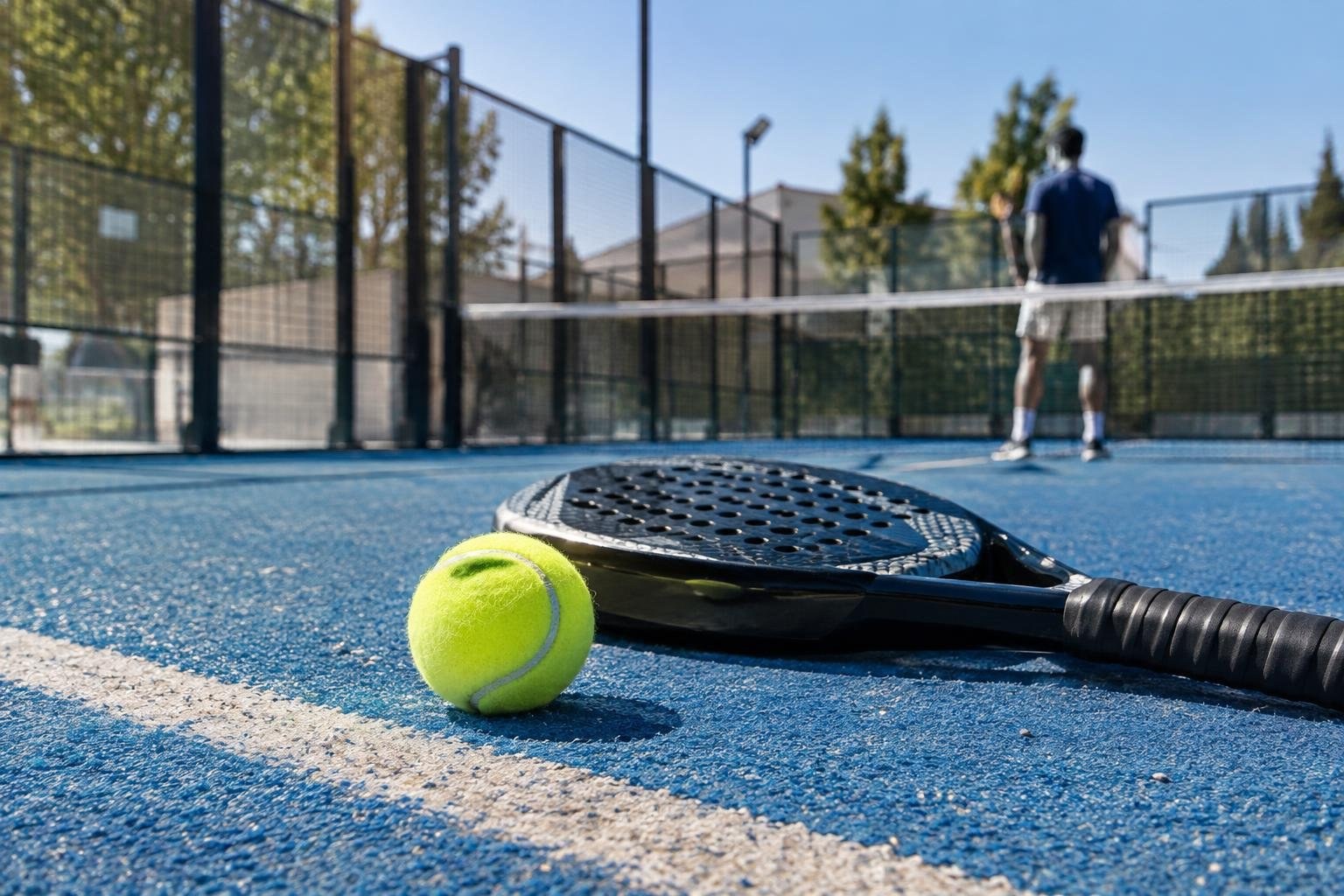
What to know before buying padel balls
Buying padel balls is a small but recurring equipment decision. A suitable ball can help you get a consistent feel from session to session, while the wrong choice for your purpose can make practice or match play less predictable. Buying guides cover the differences between padel and tennis balls, ball types, durability, storage, and replacement. This guide turns those considerations into a straightforward decision process.
It is useful whether you are buying a first can, replacing balls for regular play, or comparing options for a club session. It does not assume that a particular brand or type will be best for every player.
What makes a ball a padel ball?
Padel balls are intended for padel, and buying guides treat them as distinct from tennis balls. That makes sport-specific use the sensible starting point: do not assume that a tennis ball will give you the feel or consistency you want in padel.
Padel ball guides also describe size and weight specifications. One guide lists a diameter range of 2.5 to 2.6 inches and a weight range of 1.98 to 2.10 ounces. Treat those figures as a reference from a buying guide, not a substitute for checking the current rules that apply to a tournament or other organized event.
For casual play, focus on a ball sold for padel and compare its intended use and feel. For competition, confirm the ball requirements with the organizer before buying.
How to choose padel balls: a practical process
The buying process is simple: identify how you will use the balls, decide what matters most, compare suitable options, then assess their condition during play.
- Set the purpose. Decide whether the balls are mainly for casual sessions, drills, or organized matches. Buying guides distinguish training and match options, so check how the product is described.
- Consider where you play. Sources discuss ball choices for indoor and outdoor surfaces. Start with the court setting you use most often.
- Choose your priorities. Think about feel, durability, consistency, and budget. These can involve tradeoffs rather than one universally correct answer.
- Check requirements. If the balls are for an event, ask the organizer which balls are permitted or supplied.
- Review after play. Notice whether the bounce and feel remain consistent. Replace balls when they no longer meet your needs.
This process helps you avoid buying on brand recognition alone. It also gives you a clear reason to change choices if your playing habits or conditions change.
Signs your padel balls may need replacing
A ball may be worth replacing when its bounce or feel has changed enough that your play no longer feels consistent. There is no single session count in the available guidance that applies to every player, so use condition and purpose rather than a universal calendar rule.
- Noticeable change in bounce: If the ball no longer behaves consistently for your play, compare it with a fresh ball.
- Change in feel during a session: If you are repeatedly adjusting because the ball feels different from the one you expect, check its condition.
- Preparing for a match: Check the event’s requirements and decide whether you need a fresh can for the occasion.
- Switching from practice to a more consistent session: If your practice goal depends on repeatable ball behavior, evaluate whether your current balls still suit that purpose.
These are practical checks, not a claim that a ball is unsafe or unusable at a specific point. Manufacturer guidance and any event rules take priority.
Cost and pricing: what to compare
Padel ball costs depend on the product and how many you need. The supplied buying guides discuss budget as a factor, but they do not provide a reliable, current price range that applies across locations and retailers. Check current local listings rather than relying on an undated estimate.
Compare the total purchase, not just the apparent cost of one can. Consider how often you play, whether you need balls for personal use or a group, and how frequently you expect to replace them. A lower initial outlay may not be the best value if the ball does not suit your regular use; paying more also does not prove a ball is right for you.
Before buying multiple cans, try one option in a normal session. That small comparison can help you decide whether its feel and use justify purchasing more.
What affects ball choice and durability?
Several factors can affect which ball feels appropriate and how quickly you decide to replace it. Guides identify intended use, durability, surface setting, storage, and consistent bounce as relevant parts of the decision.
- Purpose: Training and match-oriented options may be presented differently by manufacturers and buying guides.
- Playing environment: Indoor and outdoor surfaces are both discussed in ball-selection guidance. Consider where you regularly play instead of choosing on a label alone.
- Use: How often the balls are played with affects how important replacement and consistency are to your buying decision.
- Storage: Guides include storage as a consideration for maintaining consistent play. Follow product-specific care instructions.
- Preference: Players may prioritize a particular feel, but preference is best assessed by trying the ball rather than relying only on a product description.
These factors help explain why another player’s favorite ball may not be your best match.
Options and tradeoffs: training, match, indoor, and outdoor
Compare balls by their intended use and the conditions in which you play. Avoid treating “best” lists as a universal ranking: buyer guides describe options from multiple brands, but the right choice depends on what you need from the ball.
| Option to compare | Questions to ask |
|---|---|
| Training-oriented ball | Does its stated use fit your sessions, and do you like the feel in play? |
| Match-oriented ball | Does the event require or provide a particular ball? Is this option appropriate for your match context? |
| Indoor or outdoor suitability | Does the product guidance address the surface and conditions where you play? |
| Different brands or models | Can you test one can before committing to a larger purchase? |
Buying guides compare brands including Head, Wilson, Bullpadel, Dunlop, and Babolat. Those names are starting points for comparison, not an endorsement or a guarantee of suitability. Product lines and availability can change, so verify current details before purchasing.
What to expect: testing, use, and replacement timing
There is no universal timeline for how long a can of balls will suit a player. Frequency of play, the consistency you need, and storage are all practical considerations. The available guidance recommends paying attention to bounce and replacing balls when consistent play is no longer maintained.
For a new purchase, allow time to compare one option in the setting where you normally play. If you are choosing balls for a scheduled match, check the organizer’s requirements early enough to obtain the correct type. For routine practice, assess balls at the start of a session and set aside any that no longer feel consistent with your practice needs.
These steps help you plan without promising a particular lifespan or replacement date. When a manufacturer provides care or use instructions, follow those directions.
How to choose a reliable seller or source of advice
When choosing where to buy, look for clear product information rather than relying only on a top-picks label. A useful product page or knowledgeable club contact should help you confirm what the ball is designed for, whether it is intended for training or matches, and whether it is appropriate for your setting.
- Check that the product is identified as a padel ball.
- Read the maker’s description of intended use and care.
- Ask whether a club or coach can explain what balls are used in your usual sessions.
- For an event, confirm requirements with the organizer rather than relying on a retailer’s general description.
- Compare more than one option before committing to a bulk purchase.
There is no special provider qualification needed to buy a can of balls. The useful question is whether the seller or club can give accurate, specific product information and direct you to the applicable event rules when needed.
Rules, credentials, warranties, and safe use
Padel balls do not generally require a service provider or permit to purchase. For organized play, the relevant check is whether the event specifies an approved ball or other equipment requirement. Buying guides discuss FIP specifications, but rules and event requirements can change, so consult the current governing or tournament information that applies to your match.
Do not treat a product’s marketing description as proof that it is accepted for every competition. Confirm details with the organizer, especially if you are responsible for bringing balls. Follow the manufacturer’s instructions for storage and handling, and set aside balls that no longer provide the consistency you want for play.
This is a purchasing guide, not a substitute for current competition rules or product instructions.
Ways to save without choosing blindly
You can control spending without compromising the purpose of your purchase. Begin by buying for the way you actually play, then compare the product description and the experience of a single can before ordering more.
- Choose balls for your regular use instead of paying for features you do not need.
- Ask your club or session organizer whether balls are already provided before buying a supply.
- Try a small quantity before making a bulk purchase.
- Store balls as directed and keep track of which ones still feel consistent.
- Compare current local prices and the amount included in each purchase.
These are ways to make a more informed purchase, not guarantees that a particular ball will last longer. Avoid choosing solely by the lowest price if the ball does not meet your playing or event requirements.
Mistakes, red flags, and a buyer checklist
Common buying mistakes are usually easy to avoid with a few checks. Use this list before you order:
- Buying tennis balls by assumption: Choose balls intended for padel and compare their playing characteristics.
- Picking a brand because it appears on a “best” list: Treat product roundups as options to investigate, not proof of a universal winner.
- Ignoring where you play: Consider whether guidance covers indoor or outdoor surfaces.
- Buying many cans before testing: Try one option in your normal setting first.
- Waiting for a fixed number of sessions to replace balls: Assess bounce and feel instead of relying on a universal interval.
- Assuming a label guarantees tournament approval: Confirm the organizer’s current requirements.
- Overlooking storage guidance: Follow the manufacturer’s care instructions.
If the product description is unclear about intended use, specifications, or care, pause and seek clarification rather than guessing.
Frequently asked questions
Are padel balls different from tennis balls?
Padel balls are designed for padel, and buying guides distinguish them from tennis balls by their intended use and playing characteristics. If you are buying balls for a match or event, check the organizer’s requirements rather than assuming a tennis ball is an equivalent substitute.
What kind of balls should I use for padel?
Use balls intended for padel. Compare how candidate balls feel in your usual playing conditions, and check any event requirements if you are competing. A buying guide can help you compare brands and types, but a brand name alone does not establish that a ball is right for every player.
When should you replace padel balls?
There is no single replacement interval that applies to every player and session. Replace balls when their bounce or overall feel has changed enough to affect consistency, and consider how often they are used and how they are stored. Follow the product’s care guidance when available.
Are there different padel balls for indoor and outdoor courts?
Buying guides discuss different ball types and their durability, including options considered for indoor and outdoor surfaces. Court setting is one factor to compare, but your preferred feel, playing conditions, and the ball’s intended use matter too. Try a can before buying a larger quantity.
Should I use match balls for training?
Not necessarily. A ball selected for a particular playing feel or match context may not be the best choice for every practice session. Compare options based on your goals, playing conditions, and budget, and ask your coach or session organizer what they use if you want a familiar starting point.
How should I store padel balls?
Store balls according to the manufacturer’s directions and keep them in a suitable ball container or their original packaging when practical. Storage is one of the factors buying guides recommend considering when trying to preserve consistent play; it does not guarantee a particular usable lifespan.
People Also Ask
Can you play padel with tennis balls?
Padel balls are made for padel play. Buying guides compare them with tennis balls and describe differences in intended use and playing characteristics. For a formal match, check the event’s ball requirements.
What size and weight is a padel ball?
Padel ball guides describe specifications including diameter and weight. One guide lists a diameter range of 2.5 to 2.6 inches and a weight range of 1.98 to 2.10 ounces. Check the current rules that apply to your event before relying on a specification.
Do padel balls vary for indoor and outdoor play?
Court setting is one factor buying guides discuss when comparing balls, including options for indoor and outdoor surfaces. Compare the ball’s intended use and feel in the conditions where you usually play.
How long do padel balls last?
There is no universal number of sessions that fits every use. Pay attention to changes in bounce and feel, and replace balls when they no longer give you consistent play. Frequency of use and storage are relevant considerations.
What is the difference between training and match padel balls?
Buying guides cover training and match options, but a label alone does not tell you which ball will suit your practice. Consider the intended use, playing conditions, your preferences, and any requirements from your club or event.
What is the best way to store padel balls?
Follow the manufacturer’s storage instructions. Keeping balls in their packaging or a suitable ball container is a practical way to organize them between sessions, but storage cannot guarantee a specific lifespan.
Choosing padel balls is less about finding a universally superior brand and more about matching the ball to your playing conditions, priorities, and budget. Start with the type of play you do most, compare how different balls feel in a real session, and replace balls when their bounce no longer feels consistent. Check current event requirements if you play organized competition. For a broader buying decision, compare your options, get informed, and search for providers on Estimate.org.
Your next step
Compare options, get informed, and search for providers on Estimate.org.
Last reviewed and updated October 8, 2026 by the Major League Padel Editorial Team.
Sources
- Padel Balls Explained: Complete Buying Guide for 2025 | Rulo Blog
- Best Padel Balls 2026: The Complete US Buying Guide
- Padel Balls — What They Are, How They Work, and Which Ones to Buy in the US | PadelGuideUS
- How to Choose Your Padel Balls | The Ultimate Guide in Padel Balls – Mypadellife.com
- Padel Balls Guide | Pro:Direct Padel
- Best Padel Balls (2026): Complete Guide & Reviews
- Padel Ball Buyers Guide
- Best Padel Balls 2026: Complete Buyer's Guide