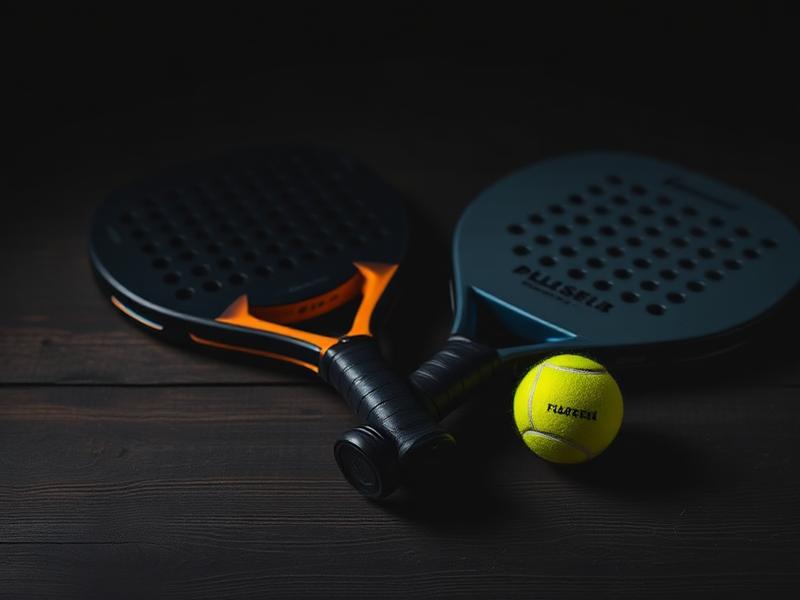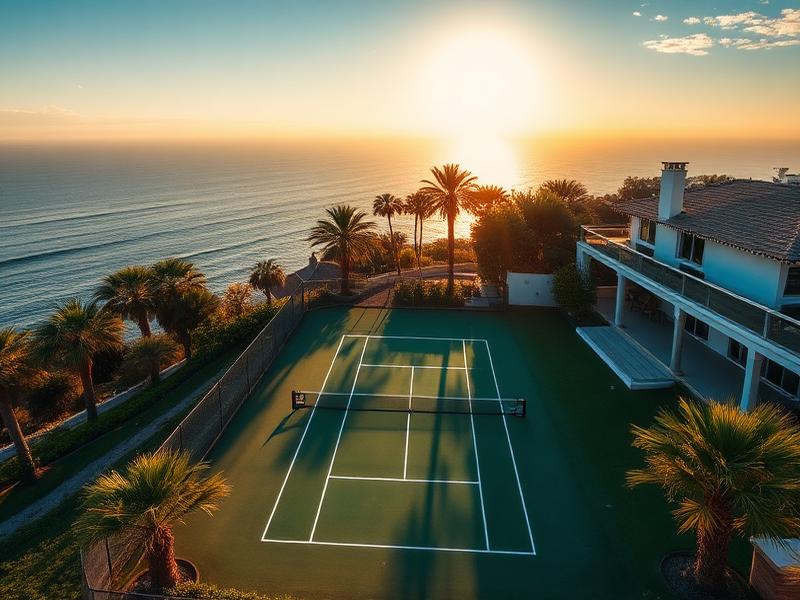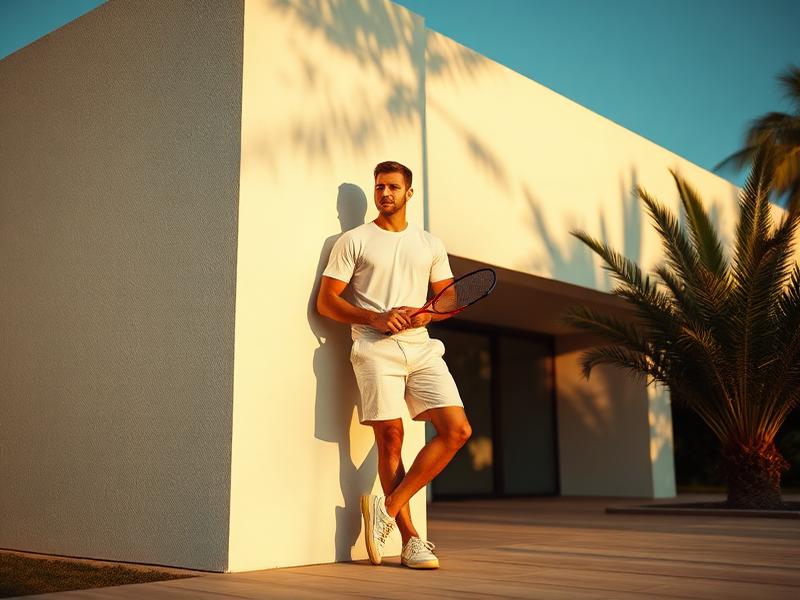

The best padel trip does not feel like a sports camp unless you want it to. It feels like a lifestyle built around the court: a morning match before breakfast, a coaching session that unlocks one tactical idea, a long lunch, a swim, an evening game under lights, and a table of new friends who already want to book tomorrow’s foursome. Padel travels well because it is compact, social, and easy to organize around a destination. A court can become the center of a vacation without taking over the entire day.
That is why padel getaways are becoming one of the most natural extensions of the sport’s growth. Players who fall in love with the game at home start noticing courts when they travel. They search for clubs near hotels. They pack shoes and a racket for business trips. They choose resorts with padel programs. They plan weekends around tournaments, clinics, and group matches. For clubs, resorts, apparel brands, and travel marketers, this is an enormous opportunity: padel is not only a participation sport, it is a reason to go somewhere.
A strong padel destination needs more than courts. It needs reliable booking, good coaching, player matching, rental equipment, social programming, comfortable off-court space, and a surrounding experience worth traveling for. The court is the anchor, but the getaway is built from the complete day. Food, climate, culture, hotels, beaches, nightlife, wellness, and easy transportation all matter. The player is asking a simple question: can I play great padel and still have a great trip?
Here are the destinations and travel styles that make the most sense for players who want to build their next escape around the game.
For many players, Spain is the obvious first padel pilgrimage. The sport is deeply embedded in daily life, with a mature club ecosystem, strong coaching culture, and a player base that ranges from casual locals to serious competitors. Spain offers something that newer markets cannot fully replicate yet: density. In many cities and resort areas, padel is not a novelty. It is part of the rhythm of the week.
Madrid is ideal for players who want the full urban padel experience. It has a serious training culture, strong clubs, and a deep pool of players. A traveler can combine lessons, match play, shopping, dining, and professional sports energy in one trip. For ambitious players, Madrid can feel like a masterclass in how the game is supposed to move: patient build-up, smart lobs, disciplined net play, and controlled overheads.
Marbella and the Costa del Sol offer a different kind of padel getaway. This is where sport, sun, luxury, and social life blend naturally. The setting works beautifully for groups: morning clinics, afternoon pool time, evening matches, and late dinners. For premium apparel and lifestyle brands, Marbella-style padel represents one of the clearest visual identities in the sport: white courts, warm light, resort layers, and a confident Mediterranean mood.
Barcelona adds design, food, beach life, and a cosmopolitan club scene. It is a strong destination for travelers who want padel without making the entire trip about padel. Play in the morning, explore the city in the afternoon, and return for a relaxed evening game. That balance is one of the secrets to a great padel vacation.
Portugal has become a favorite for travelers who want a softer pace without sacrificing quality. Lisbon offers city culture, coastal energy, and increasing access to padel. It is a good fit for couples or groups where not everyone is equally obsessed with the sport. The padel player can get court time while the rest of the trip still feels rich: restaurants, views, neighborhoods, music, and day trips.
The Algarve is a natural padel getaway because it already has the ingredients of a sports holiday: sun, resorts, golf infrastructure, beaches, and international visitors. Padel fits into that environment easily. It is less formal than golf, more social than a gym session, and ideal for mixed-age groups. A resort with good padel programming can turn a standard beach trip into something more active and memorable.
Comporta and coastal Portugal also speak to the newer luxury traveler: understated, design-conscious, relaxed, and wellness-oriented. Padel in this context should not feel like a loud tournament unless that is the purpose of the trip. It should feel like part of a curated day. The best version is simple: clean apparel, a beautiful court, a good coach, fresh food afterward, and a sunset that makes everyone want to take one more photo.
Italy’s padel growth has been one of the major stories of the sport, and it is easy to understand why. The country already has a strong club culture, a love of style, and a social rhythm that fits padel perfectly. In Italy, the after-match experience matters. Coffee, food, conversation, and presentation are not extras; they are part of the appeal.
Rome is ideal for travelers who want history and sport in the same itinerary. Play in the morning, spend the afternoon walking through the city, then return for an evening match or dinner. Milan offers a more fashion-forward padel experience. It is an excellent destination for brands, events, and corporate padel because the city understands design, hospitality, and networking. A well-run Milan padel event can feel like a sports experience and a brand activation at the same time.
Sardinia, Sicily, and coastal resort areas create another lane: padel as part of an Italian holiday. In these settings, the sport should support the destination rather than dominate it. A traveler wants beautiful courts, good organization, and the ability to play without friction. The lesson for resorts is clear: do not simply install courts. Build a program. Offer beginner sessions, advanced clinics, family play, round robins, and social events. Courts create interest. Programming creates loyalty.
Argentina has a deep padel culture and a passionate player base. For travelers who want to understand the roots and competitive soul of the sport, Argentina is a meaningful destination. Buenos Aires offers urban energy, strong clubs, and a sporting culture that takes play seriously while still making room for social connection.
A padel trip to Argentina is less about polished luxury and more about immersion. It is for players who want to feel the rhythm of a place where racket sports are part of community life. The coaching can be intense, the matches competitive, and the atmosphere deeply authentic. For players used to newer padel markets, Argentina can be eye-opening because it shows how rich the sport becomes when generations of players have shaped the culture.
Travelers should plan with local guidance. The best experiences may not be the most obvious tourist-facing options. A local coach, club contact, or organized group can help match levels and find the right environments. That is true everywhere, but especially important in a mature and passionate market where the difference between a casual game and a serious game can be substantial.
Dubai has become one of the most compelling destinations for premium padel. The city understands sports hospitality, high-end facilities, international residents, and event-driven experiences. Padel fits naturally into that world. Courts can be part of luxury residential communities, hotels, private clubs, wellness centers, and corporate entertainment.
The appeal for traveling players is convenience and quality. A well-planned Dubai padel trip can include excellent courts, strong coaching, fitness and recovery, restaurants, beaches, shopping, and nightlife. For brands, Dubai offers a stage. Launches, influencer events, corporate tournaments, and luxury partnerships can feel credible because the city already operates in that register.
The climate requires planning. Outdoor play can be challenging in extreme heat, so players should look carefully at court type, timing, shade, indoor options, and hydration. Early morning and evening play may be best depending on the season. The right apparel also matters: breathable fabrics, caps, extra shirts, and recovery-focused layers for moving between air conditioning and heat.
For U.S. players, South Florida is one of the most natural padel getaway markets. Miami, Boca Raton, Delray Beach, Palm Beach, and surrounding areas have the climate, international population, private club culture, wellness mindset, and luxury hospitality that can help padel thrive. South Florida also understands sports as social life. Golf, tennis, boating, fitness, dining, and real estate already intersect there. Padel can slide into that ecosystem quickly.
A South Florida padel trip can be casual or premium. It might be a long weekend with friends, a private-club invitational, a corporate retreat, or a resort stay with daily clinics. The best version leans into the region’s strengths: morning play, pool or beach recovery, clean resort apparel, outdoor dining, and evening social matches. For American brands, South Florida is also a testing ground for what U.S. padel style might become: more colorful than Europe, more luxury-casual than traditional tennis, and more social than purely competitive.
The opportunity is significant, but execution matters. U.S. travelers need simple booking, clear level matching, rental rackets, and beginner-friendly entry points. Many Americans are still learning the difference between padel, platform tennis, paddle tennis, and pickleball. Clubs that educate without condescending will win.
Mexico is a strong padel travel market because it combines accessible flights from the U.S., resort infrastructure, warm weather, and a sports-friendly social culture. Mexico City offers urban energy and competitive play. Riviera Maya, Los Cabos, and other resort destinations can turn padel into a group vacation activity.
For resorts, padel is especially useful because it works across skill levels. A group can include serious players, beginners, spouses, friends, and family members. Clinics can be designed for first-timers in the morning and competitive players later in the day. A round robin can create social energy quickly. A branded tournament can give guests a story to take home.
The most successful resort padel programs will not treat courts as a passive amenity. They will use the sport to structure the guest experience. Offer a welcome clinic, a sunset mixer, a parent-child session, a competitive ladder, and a closing tournament. Add photos, apparel, prizes, and a post-event dinner. Suddenly padel becomes the memory of the trip.
Northern Europe shows a different side of padel. Markets like Sweden helped demonstrate how quickly the sport can scale in indoor environments, especially where weather limits outdoor play. For travelers, this creates a more urban and design-focused padel experience. Clubs often emphasize efficiency, booking technology, clean facilities, and serious recreational play.
A Stockholm or Copenhagen-style padel trip may not have the beach glamour of Marbella or Miami, but it can be excellent for players who appreciate design, training, and city culture. Indoor facilities also make scheduling more reliable. Weather is less of a problem, and evening play can become part of a business or cultural trip.
For brands, Northern Europe offers lessons in operational design. Player matching, digital booking, membership models, and club layouts are critical. The destination may be less about resort fantasy and more about how padel becomes a normal part of urban life.
Start with the purpose of the trip. Is it a serious training weekend, a social group escape, a luxury resort holiday, a couples trip, or a business retreat? The answer determines the destination, club type, schedule, and budget. A serious player may prioritize coaching quality and match level. A social group may prioritize atmosphere, food, and easy coordination. A corporate group may need privacy, branding, hospitality, and a format that works for mixed skill levels.
Next, confirm the court experience before booking around it. Look for clubs or resorts with responsive communication, clear booking systems, rental rackets, coaching options, and player matching. Ask about court surface, indoor versus outdoor play, lighting, locker rooms, cancellation policies, and whether they can organize games by level. A beautiful court is not enough if no one can help you find opponents.
Build the schedule with recovery in mind. Padel is addictive, but travel adds fatigue. Two matches a day may sound great until heat, jet lag, and late dinners catch up. A good plan mixes clinics, match play, rest, meals, and destination experiences. The best trips leave players wanting more, not limping home.
A smart padel travel bag includes court shoes, two or three performance outfits, extra socks, a cap or visor, a lightweight layer, sunscreen, grips, a refillable water bottle, recovery sandals or casual sneakers, and one off-court outfit that works for the club. Serious players may bring their own racket, but beginners can often rent. For flights, check airline rules and bag dimensions if carrying rackets.
Style matters on a padel trip because photos, dinners, and club moments are part of the experience. Choose a simple color palette so pieces mix easily. White, navy, cream, black, olive, sand, and soft blue travel well. Add one statement piece if it fits your personality: a cap, jacket, bag, or polo. The goal is not to overpack. The goal is to look ready for the court and comfortable after it.
Padel getaways are valuable because they create high-emotion moments. A player may forget another online ad, but they remember the club where they played at sunset, the coach who fixed their bandeja, the shirt they bought after a tournament, and the group chat that kept going after the trip. Travel turns padel from a habit into a story.
Brands should build around those stories. Apparel companies can create destination capsules. Clubs can partner with hotels. Resorts can offer padel weeks. Coaches can run training retreats. Travel agencies can create level-based group trips. Sponsors can support invitational weekends. Content teams can capture itineraries, guides, player profiles, and destination rankings.
The strongest padel travel brands will understand that the experience starts before the player arrives. They will provide packing guides, level assessments, group coordination, style recommendations, and clear expectations. During the trip, they will make play easy. After the trip, they will keep the community alive with photos, future offers, and next-destination invitations.
Padel is a perfect travel sport because it gives a trip structure without making it feel rigid. It creates friendship, movement, competition, and style in a compact window of time. The best destinations are not simply the places with the most courts. They are the places where the sport connects naturally to the rest of the day.
Spain offers depth and heritage. Portugal offers ease and understated style. Italy offers beauty and after-match pleasure. Argentina offers passion and authenticity. Dubai offers premium facilities and global energy. South Florida offers the emerging American lifestyle version. Mexico offers resort-friendly group potential. Northern Europe offers indoor strength and operational discipline.
Wherever you go, the formula is the same: play well, eat well, recover well, meet people, and leave with your next match already planned. That is the magic of a padel getaway. The court is only twenty meters by ten meters, but the lifestyle around it can take you anywhere.