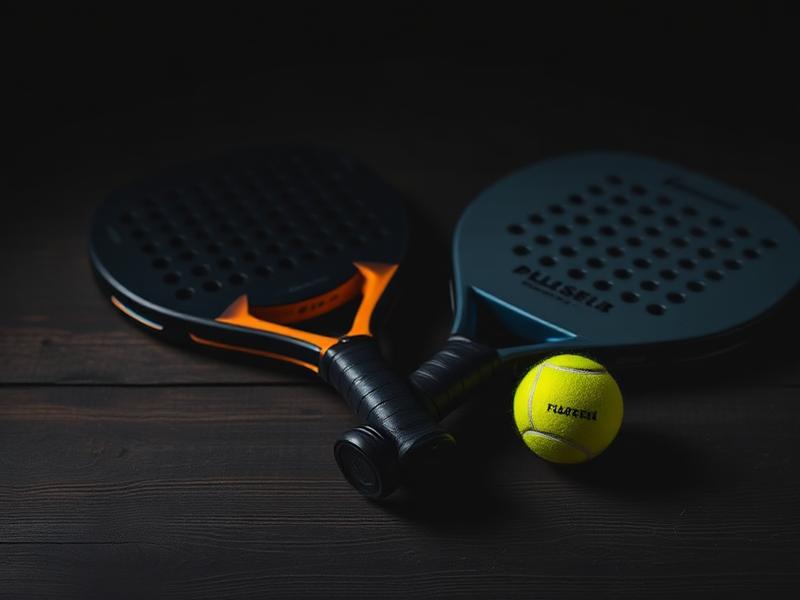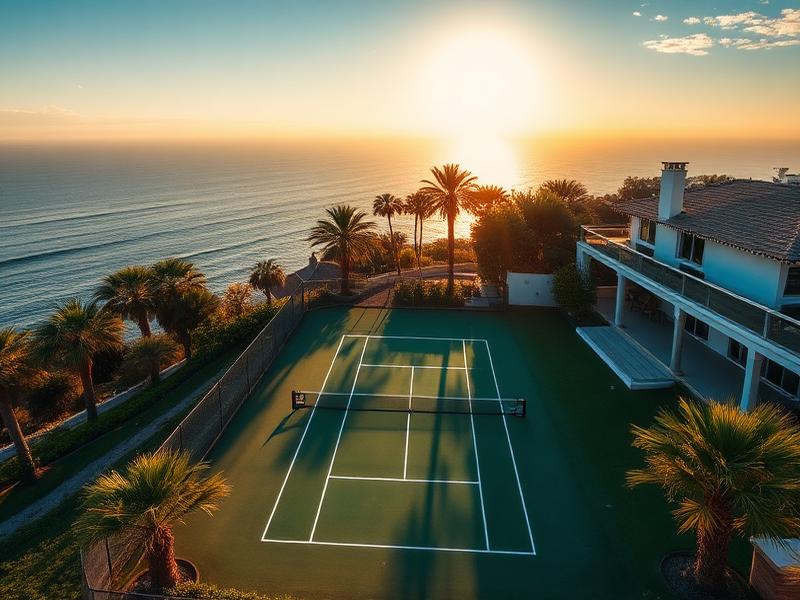

Padel is no longer a niche racket sport waiting to be discovered. It has become one of the clearest examples of how a sport can grow when the product, the community, the economics, and the lifestyle all work at the same time. People try it because it looks fun. They return because they can rally quickly, play with friends, improve without feeling humiliated, and belong to a social scene that feels modern. Investors like it because courts can generate strong utilization on a relatively compact footprint. Brands like it because the sport has a visual identity that travels well across fashion, wellness, luxury hospitality, and digital media. Clubs like it because a good padel program turns players into members, members into communities, and communities into recurring revenue.
That is why the rise of padel is about more than participation numbers. It is about a shift in what people want from sport. The modern recreational athlete wants activity, but also connection. They want competition, but not intimidation. They want a workout, but they also want a reason to stay after the match. Padel delivers that rare combination. It is athletic enough to be credible, accessible enough to be addictive, and social enough to become part of a player’s identity.
The official growth data now confirms what anyone inside the sport can feel. The International Padel Federation’s 2025 reporting states that active players have surpassed 35 million globally, with increases in clubs, courts, and federation membership compared with the previous year. Its facilities map reported more than 24,600 clubs and 77,300 courts across 150 nations and 20 dependent territories. Playtomic and PwC Strategy& have also tracked the sport’s expansion, describing an industry with tens of thousands of courts and millions of players, and projecting continued facility growth through the decade. Different reports use different methodologies, but the message is consistent: padel has moved from emerging sport to global category.
The question is not whether padel is growing. The better question is why it is growing so efficiently.
The first reason is the game itself. Padel has a friendly learning curve. A beginner can step onto the court, understand the basic rhythm, and enjoy rallies far more quickly than in many traditional racket sports. The underhand serve reduces the intimidation factor. The smaller court makes the game feel manageable. The walls keep balls in play and create longer points. Doubles format gives new players a partner to share responsibility and energy.
This matters because early success is one of the strongest drivers of sports adoption. If a beginner spends the first hour chasing balls and failing to make contact, the sport loses them. Padel avoids much of that friction. Players can experience rallies, laughter, and improvement in the first session. Yet the sport does not become boring as players improve. It deepens. Better players learn patience, court positioning, wall defense, lobs, volleys, bandejas, viboras, chiquitas, and tactical teamwork. Padel is welcoming at entry and sophisticated at the top.
That combination creates a wide addressable audience. A sport that only appeals to elite athletes has a limited recreational market. A sport that is too easy may become a short-term fad. Padel sits in a powerful middle. It rewards athleticism, but it does not require youth or extreme power. It rewards strategy, but it does not require years of technical training before the first enjoyable game. This is one of the biggest reasons padel can scale across ages, genders, countries, and club models.
Padel is almost always played as doubles, and that changes everything. Doubles makes the sport inherently social. Players need partners, opponents, group chats, leagues, clinics, ladders, mixers, and club events. The sport naturally creates reasons to organize. A player who joins a padel club is not simply booking a court; they are entering a network.
This is where padel has a major advantage over many fitness activities. A person may go to the gym alone and leave without speaking to anyone. They may run alone, cycle alone, or take a class where the social connection ends when the music stops. Padel creates interaction before, during, and after play. The game demands communication: who takes the middle, who covers the lob, when to switch, when to attack, when to reset. Those micro-conversations become relationships. The relationships become habits. The habits become retention.
From a sports marketing perspective, this is gold. Retention is not created only by the product; it is created by the people around the product. A player who makes friends at a club is less likely to churn. A player in a WhatsApp group, league, or recurring foursome has social accountability. A player who associates padel with weekend plans and post-match drinks sees the sport as lifestyle, not exercise.
That is why smart padel clubs do not simply sell court time. They sell belonging. They program beginners’ nights, mixed doubles, corporate events, member tournaments, family mornings, travel trips, and social competitions. The match is the center, but the community is the moat.
A second reason for padel’s rise is that the court model can be attractive to operators. A padel court is smaller than a traditional tennis court and is typically played by four people. That means more players can be served on a smaller footprint. In dense urban and resort markets, where real estate is expensive and every square foot must justify itself, that matters.
The sport also supports multiple revenue lines. Clubs can earn from court bookings, memberships, lessons, clinics, leagues, tournaments, corporate events, pro shops, food and beverage, apparel, equipment, sponsorships, and travel programs. Premium clubs can add wellness services, recovery rooms, gyms, lounges, concierge programming, and private events. Padel does not need to be only a court rental business. At its best, it becomes a lifestyle venue.
Real estate developers are paying attention because padel can activate underused spaces. Rooftops, resort corners, urban lots, private communities, mixed-use developments, waterfront areas, and hospitality properties can all use courts as a draw. A visible glass court with lights and activity is not just a sports facility. It is a scene. It creates movement, energy, and social proof.
The challenge is that not every padel project will succeed just because the sport is growing. Operators still need the right location, quality coaching, strong programming, good maintenance, fair pricing, and a clear brand. A court without community is a commodity. A club with community is a platform.
The sport’s timing is also important. Consumers increasingly want health experiences that are social, enjoyable, and repeatable. Many people know they should exercise more, but they dislike workouts that feel isolated or punishing. Padel reframes exercise as play. A ninety-minute game can deliver movement, sweat, coordination, agility, decision-making, and stress relief without feeling like a chore.
This is especially powerful for adults who used to play team sports but lost that structure after school or college. Padel gives them a team-like experience in a small format. It also works for professionals who want networking without another dinner, families who want a multi-generational activity, and travelers who want a sport they can play in different cities.
Wellness brands should understand this. Padel is not competing only with tennis or pickleball. It is competing with boutique fitness, golf, private clubs, running groups, wellness retreats, and social clubs. Its advantage is that it blends pieces of all of them: skill, movement, competition, social connection, style, and hospitality.
Padel looks good. That may sound superficial, but it is a major factor in modern sports growth. Glass courts, night lighting, close-up rallies, quick reactions, and doubles emotion all translate well to video. The sport is easy to understand visually. Even someone who does not know the rules can see the speed, laughter, teamwork, and tension.
This makes padel powerful for social media. Short clips show diving saves, wall rebounds, overheads, partner reactions, and celebratory points. Lifestyle content shows club entrances, apparel, travel, coffee, lounges, and sunset matches. The sport can be marketed both as performance and aspiration.
Fashion is part of that visual culture. Padel’s style identity is still being formed, which creates a rare opening for brands. Tennis has more than a century of codes. Golf has deep traditions. Padel is young enough globally that new brands can help define what the sport looks like. The winning aesthetic will likely combine European club polish, Latin energy, resort ease, and modern performance wear.
For apparel companies, this means the opportunity is not limited to technical clothing. It includes bags, warmups, caps, footwear collaborations, travel capsules, limited-edition club drops, tournament merchandise, and lifestyle pieces that work before and after play. Padel is a sport, but it is also a wardrobe.
Recreational growth creates scale, but professionalization creates aspiration. Padel’s elite circuits, international federations, national teams, and high-profile events give the sport a top end for fans and developing players to follow. The presence of major sponsors, athlete investors, celebrity owners, and luxury partners adds visibility.
This matters because sports need heroes, storylines, and stages. Beginners may start because friends invite them, but long-term culture grows when there are players to watch, rivalries to discuss, tournaments to attend, and goals to chase. Professional padel gives clubs more content to use in programming. A club can host watch parties, clinics around pro techniques, branded tournament weekends, and junior pathways.
The professional side also increases legitimacy. In newer markets, some people still ask whether padel is a trend. Seeing organized tours, national federations, major venues, and serious athletes helps answer that question. A sport feels more permanent when it has infrastructure at the bottom and aspiration at the top.
The United States remains one of the most interesting padel markets because it has the ingredients for growth but is still early compared with Spain, Italy, Argentina, and parts of the Middle East. The country has large metropolitan areas, private clubs, country clubs, resorts, celebrity sports culture, wellness consumers, and investors who understand membership-based experiences. It also has competition from tennis and pickleball, which means padel must be positioned carefully.
Padel should not try to win by attacking other racket sports. The smarter strategy is to emphasize its unique mix: more athletic and tactical than many casual racket experiences, easier to start than tennis, more social than many fitness options, and more premium in its club presentation. In the U.S., the path to scale will likely include urban clubs, luxury resorts, private communities, country clubs, mixed-use real estate, and corporate/social events before mass municipal adoption catches up.
The biggest bottleneck is court supply. When people cannot find courts, coaches, or beginner-friendly programming, demand remains trapped. The clubs that win early will be the ones that make entry easy: beginner clinics, rental rackets, clear rating systems, welcoming staff, organized matches, and simple booking. The first experience must be excellent because many Americans still need an explanation of what padel is.
Padel is a dream category for smart sports marketers because the audience is not defined only by age or athletic ability. It is defined by mindset. Padel players tend to value social connection, improvement, design, travel, health, and belonging. That makes the sport attractive for brands in apparel, watches, beverages, travel, real estate, wellness, finance, cars, and hospitality.
The key is authenticity. Padel players can sense when a brand is simply borrowing the sport’s growth without understanding the culture. The best partnerships will add value to the player experience: better events, better gear, better content, better access, better coaching, better travel, better recovery, and better community. A logo on a banner is not enough. The brand must become part of the rituals around the game.
For padel-specific brands, the positioning should be bigger than equipment. The question is not, “What do we sell?” The question is, “What role do we play in the player’s padel life?” Are we the premium court-style brand? The travel club? The performance coaching platform? The league organizer? The luxury resort partner? The equipment authority? The answer should drive product, content, partnerships, and community.
Every fast-growing sport faces risks. Padel could become too expensive in some markets, limiting access. Poorly run clubs could disappoint new players. Overbuilding in the wrong areas could create weak economics. Brands could over-luxurize the sport and make beginners feel excluded. Tennis and pickleball communities could resist court conversions. Coaching quality could lag demand.
These risks are manageable, but only if the industry grows responsibly. The sport needs premium clubs and accessible clubs. It needs elite events and beginner nights. It needs fashion and function. It needs investors, but it also needs coaches, organizers, junior programs, women’s programming, and local community builders. A healthy padel ecosystem cannot be built only from the top down.
The next phase of padel will be defined by maturity. Early growth is about opening courts. Mature growth is about utilization, retention, programming, customer experience, data, coaching pathways, junior development, media, and brand differentiation. The best operators will use technology to match players, manage ratings, organize leagues, and personalize communication. The best apparel brands will design specifically for padel movement and culture. The best destinations will build travel packages around coaching, wellness, and social play.
Padel’s rise is powerful because it is not driven by one trend. It is driven by many: social fitness, urban real estate, wellness tourism, premium athleisure, short-form video, community-based membership, and the desire for active leisure. That gives the sport resilience. Even if growth rates normalize, the core value proposition remains strong.
Padel has become a global movement because it makes people feel something quickly. It gives beginners rallies, regulars community, clubs revenue, brands a lifestyle platform, and investors a category with room to build. It is accessible without being shallow, stylish without being fake, and social without losing competitive depth.
The rise of padel is not just the story of more courts and more players. It is the story of a sport perfectly suited to how people want to live now: active, connected, stylish, and always ready for one more match.